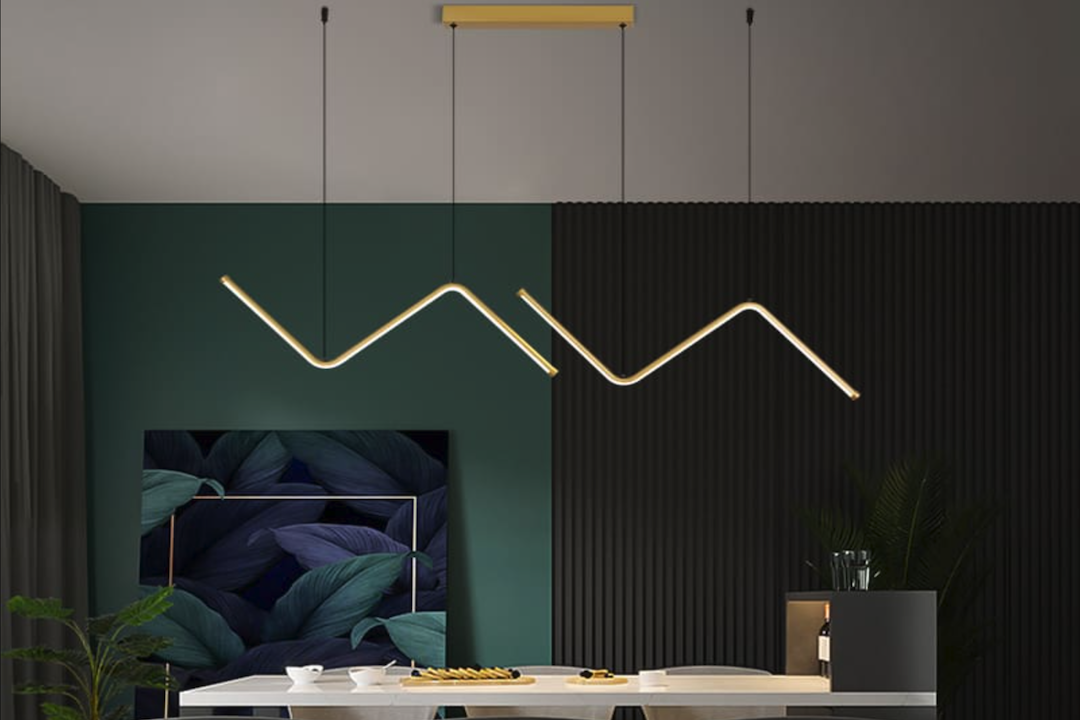
In recent years, the world of interior design has witnessed a significant shift towards minimalism, with a particular emphasis on geometric forms. This trend has given rise to a new breed of lighting fixtures: the minimalist geometric chandelier. These chandeliers embody a modern elegance that resonates with contemporary aesthetics, offering a striking balance between form and function.
Unlike their ornate predecessors, which often featured intricate designs and elaborate embellishments, minimalist geometric chandeliers omelighting focus on clean lines and simple shapes, making them a perfect fit for modern spaces. The appeal of minimalist geometric chandeliers lies in their ability to enhance a room without overwhelming it. They serve as statement pieces that draw the eye while maintaining an understated elegance.
This design philosophy aligns with the broader minimalist movement, which advocates for simplicity and functionality in all aspects of life. As homeowners and designers alike seek to create serene environments that promote tranquility and clarity, these chandeliers have emerged as a favored choice, symbolizing a departure from excess and a celebration of refined beauty.
Understanding the Minimalist Aesthetic in Chandelier Design
At its core, the minimalist aesthetic is characterized by a “less is more” philosophy, where every element serves a purpose and contributes to the overall harmony of the space. In chandelier design, this translates to an emphasis on simplicity, functionality, and the thoughtful use of materials. Minimalist geometric chandeliers often feature streamlined silhouettes, avoiding unnecessary ornamentation while showcasing the beauty of their materials—be it metal, glass, or wood.
This approach not only highlights the craftsmanship involved but also allows the chandelier to blend seamlessly into various design schemes. The minimalist aesthetic also encourages a focus on light itself. Rather than being merely decorative objects, minimalist geometric chandeliers are designed to illuminate spaces effectively while creating an ambiance that enhances the overall atmosphere.
The interplay of light and shadow becomes an integral part of the design, as these fixtures often utilize open structures that allow light to diffuse in captivating ways. This thoughtful consideration of light transforms the chandelier from a mere source of illumination into a dynamic element that interacts with its surroundings.
Exploring Geometric Shapes and Patterns in Chandelier Designs
Geometric shapes are fundamental to the design of minimalist chandeliers, providing a visual language that communicates modernity and sophistication. Common shapes include spheres, cubes, triangles, and hexagons, each contributing its unique character to the overall design. For instance, spherical chandeliers can evoke a sense of unity and completeness, while angular designs may convey dynamism and energy.
The choice of shape can significantly influence the mood of a space, making it essential for designers to consider how these forms interact with other elements in the room. Patterns also play a crucial role in the aesthetic appeal of geometric chandeliers. Many designs incorporate repeating motifs or symmetrical arrangements that create visual interest without overwhelming the senses.
For example, a chandelier composed of interlocking triangles can create a striking focal point while maintaining an air of sophistication. Additionally, the use of negative space—areas devoid of material—can enhance the geometric quality of a chandelier, allowing light to pass through and creating an ethereal effect that captivates viewers.
The Versatility of Minimalist Geometric Chandeliers in Various Spaces
One of the most compelling aspects of minimalist geometric chandeliers is their versatility. These fixtures can seamlessly integrate into a wide range of environments, from residential homes to commercial spaces. In living rooms, for instance, a large geometric chandelier can serve as a dramatic centerpiece, drawing attention to high ceilings while providing ample illumination for gatherings.
In contrast, smaller designs can be used in cozy dining areas or bedrooms, where they add a touch of elegance without overpowering the space. In commercial settings, minimalist geometric chandeliers can enhance the ambiance of restaurants, hotels, and offices. Their clean lines and modern aesthetic can complement contemporary decor while providing functional lighting solutions.
For example, in a chic restaurant, a series of pendant chandeliers featuring geometric shapes can create an inviting atmosphere that encourages social interaction. Similarly, in an office environment, strategically placed geometric chandeliers can foster creativity and productivity by providing well-distributed light that reduces eye strain.
Incorporating Minimalist Geometric Chandeliers in Home Decor
Integrating minimalist geometric chandeliers into home decor requires careful consideration of both style and placement. To achieve a cohesive look, homeowners should consider the existing design elements within their spaces. For instance, in a modern Scandinavian-inspired living room characterized by neutral tones and natural materials, a brass or matte black geometric chandelier can serve as an eye-catching focal point that ties together various design elements.
Moreover, layering lighting is essential when incorporating these chandeliers into home decor. While a minimalist geometric chandelier can provide ambient lighting, it is often beneficial to combine it with other light sources such as floor lamps or wall sconces to create a well-rounded lighting scheme. This approach not only enhances functionality but also adds depth and dimension to the space.
By thoughtfully selecting complementary fixtures and considering their placement in relation to the chandelier, homeowners can create an inviting atmosphere that reflects their personal style.
Choosing the Right Minimalist Geometric Chandelier for Your Space
Selecting the ideal minimalist geometric chandelier involves several considerations that go beyond mere aesthetics. First and foremost is scale; the size of the chandelier should be proportionate to the dimensions of the room. A large chandelier may overwhelm a small space, while a tiny fixture may get lost in a grand foyer.
Designers often recommend using visual guides—such as measuring the room’s height and width—to determine an appropriate size for the chandelier. Another critical factor is the material composition of the chandelier. Different materials can evoke distinct feelings and styles; for example, metal finishes like brushed nickel or matte black can impart an industrial vibe, while glass or crystal elements may lend an air of sophistication.
Additionally, color plays a significant role in how well the chandelier integrates into its surroundings. Neutral tones tend to blend seamlessly with various decor styles, while bold colors can serve as striking accents that energize a space.
Maintenance and Care of Minimalist Geometric Chandeliers
Maintaining minimalist geometric chandeliers is essential for preserving their beauty and functionality over time. Regular cleaning is necessary to prevent dust accumulation and ensure optimal light output. Most chandeliers can be cleaned using a soft cloth or duster; however, specific materials may require special care.
For instance, glass components may benefit from glass cleaner to maintain their clarity and shine, while metal finishes might need polishing to prevent tarnishing. In addition to routine cleaning, it is crucial to check electrical components periodically for any signs of wear or damage. Ensuring that bulbs are functioning correctly not only enhances illumination but also prolongs the lifespan of the fixture itself.
Homeowners should also be mindful of how environmental factors—such as humidity or exposure to direct sunlight—can affect their chandeliers over time. By taking proactive measures to care for these fixtures, individuals can enjoy their minimalist geometric chandeliers for years to come.
The Future of Chandelier Design: Embracing Minimalism and Geometry
As we look ahead to the future of chandelier design, it is clear that minimalism and geometry will continue to play pivotal roles in shaping trends within this realm. The ongoing demand for clean lines and functional beauty suggests that designers will increasingly explore innovative ways to incorporate these principles into their creations. Emerging technologies such as LED lighting are also influencing chandelier design by allowing for more energy-efficient options that do not compromise on style.
Furthermore, as sustainability becomes an ever-growing concern within interior design, we may see more designers turning to eco-friendly materials and production methods when crafting minimalist geometric chandeliers. This shift not only aligns with contemporary values but also opens up new avenues for creativity within this genre. Ultimately, as tastes evolve and new technologies emerge, minimalist geometric chandeliers will likely remain at the forefront of lighting design—continuing to captivate audiences with their timeless elegance and modern appeal.