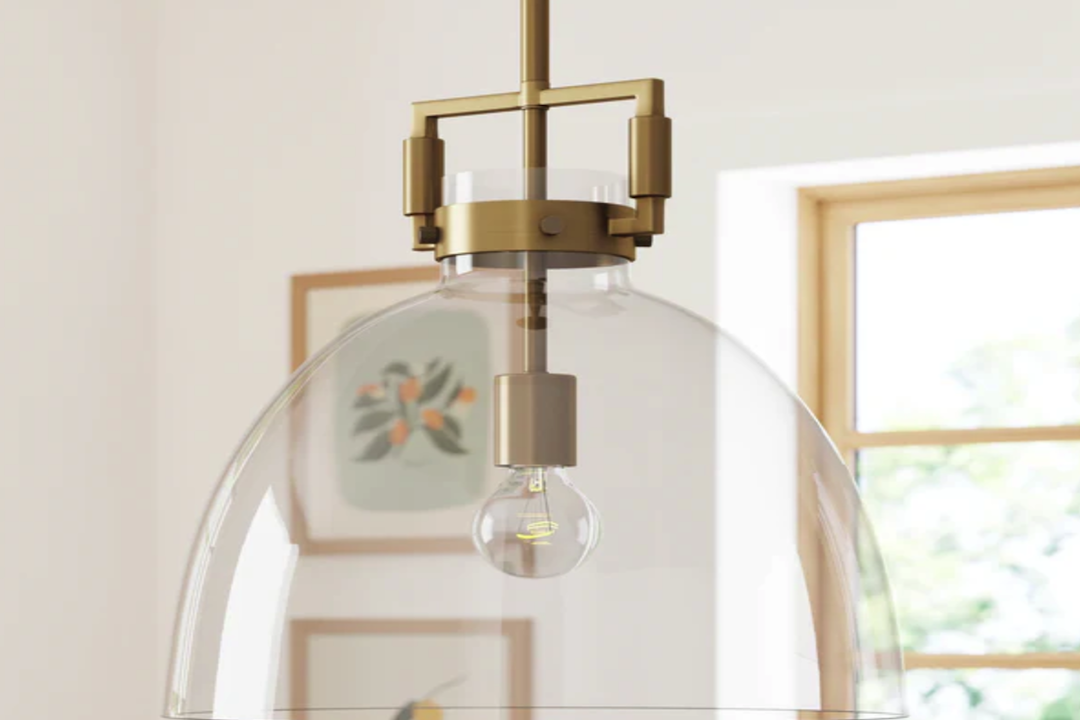
Long-lasting brass hardware, paired with glass light shades, represents a durable and aesthetically versatile combination for lighting fixtures. These components are frequently utilized in a wide range of applications, from residential interiors to public spaces, due to their inherent material properties and design flexibility. This article will explore the characteristics, applications, and considerations associated with long-lasting brass hardware and glass light shades.
Material Science and Properties
The longevity of brass hardware stems from its composition. Brass is an alloy primarily of copper and zinc, with varying proportions depending on the specific type and desired properties. Copper provides inherent resistance to corrosion, while zinc contributes to strength and workability. The ratio of these elements influences the color, ductility, and hardness of the final product. For instance, a higher copper content often results in a more reddish hue and increased corrosion resistance, whereas a higher zinc content can lead to a yellower appearance and greater hardness.
Glass, the other primary component, offers transparency, hardness, and chemical inertness. Its amorphous structure gives it the ability to transmit light Hnccom efficiently while resisting degradation from environmental factors such as UV radiation and many chemicals. The manufacturing process of glass involves heating raw materials, primarily silica sand, soda ash, and limestone, to high temperatures until they melt into a viscous liquid, which is then shaped and cooled. This process allows for diverse forms and finishes, from clear and frosted to textured and colored.
Historical Context and Evolution
The use of brass in functional and decorative objects dates back thousands of years. Its malleability and pleasing appearance made it a valuable material for everything from tools and armor to intricate ornamentation. As lighting technology evolved from oil lamps to gas and then electricity, brass became a preferred material for fixtures due to its electrical conductivity, resistance to tarnishing, and ease of fabrication.
Glass light shades emerged with the popularization of artificial illumination. Early forms were often simple, functional enclosures to protect flames from drafts. As glassmaking techniques advanced, more intricate and decorative shades became possible, designed to diffuse light, direct its beam, or simply add aesthetic value to a space. The combination of brass and glass gradually solidified as a standard for quality and enduring design, reflecting both practicality and a refined sensibility.
Brass Hardware and its Durability
The term “long-lasting” when applied to brass hardware is not merely a marketing claim but a reflection of the material’s inherent properties and its performance in various environments. Understanding these aspects is crucial for appreciating its value in lighting applications.
Corrosion Resistance
Brass exhibits significant resistance to corrosion when compared to many other metals. This is primarily due to the copper content. Copper naturally forms a passivation layer on its surface when exposed to air and moisture. This thin, stable layer, often a mixture of copper oxides and carbonates, acts as a barrier, preventing further oxidation and degradation of the underlying metal. This self-sealing mechanism is akin to a natural shield, protecting the core material from environmental attack.
- Pitting Resistance: Unlike some alloys that can suffer from localized pitting corrosion, brass generally tarnishes uniformly. While this tarnish might alter the aesthetic, it rarely compromises the structural integrity of the hardware.
- Galvanic Corrosion: When brass is in contact with dissimilar metals in the presence of an electrolyte (like moisture), galvanic corrosion can occur. However, in typical indoor lighting applications, this is less of a concern as brass is often the primary metal or is isolated appropriately.
- Stress Corrosion Cracking: Some specific brass alloys can be susceptible to stress corrosion cracking under highly specific conditions, particularly in environments containing ammonia. Manufacturers often select alloys that mitigate this risk for lighting fixture components.
Mechanical Strength and Malleability
Brass strikes a balance between strength and workability, making it ideal for hardware applications. Its tensile strength allows it to support the weight of glass shades and withstand minor impacts without deforming significantly. Simultaneously, its malleability enables it to be cast, machined, spun, and drawn into intricate shapes, allowing for a diverse range of designs, from simple utilitarian forms to highly decorative elements. This dual nature makes brass a blacksmith’s canvas and a structural anchor simultaneously.
- Casting: Brass can be cast into complex three-dimensional forms, providing strength and detail for components such as decorative bases, finials, and articulated joints.
- Machining: Its machinability allows for precise threading, drilling, and shaping, essential for assembling components and ensuring a secure fit for light sockets and wiring.
- Sheet Metal Fabrication: Brass sheets can be stamped, bent, and spun to create aesthetically pleasing and structurally sound elements, such as backplates and shade holders.
Aesthetic Longevity and Patina
Brass is renowned for its ability to develop a patina over time. This natural darkening, often a warm brown or greenish hue, is a result of surface oxidation. Far from being a flaw, this patina is often highly valued for its ability to impart character and a sense of history to an object. It’s a testament to the passage of time, an organic aging process that enhances rather than detracts from the material’s appeal. Unlike materials that deteriorate or corrode with age, brass gracefully matures.
- Controlled Patination: For new hardware, manufacturers can chemically accelerate the patination process to achieve an antique or aged look directly, offering an immediate aesthetic preference without waiting for natural aging.
- Maintenance of Luster: For those who prefer a bright, polished brass appearance, regular cleaning and polishing with appropriate brass cleaners can maintain its original luster. Clear protective coatings can also be applied to delay patination, though these coatings themselves may wear over time.
- Impact on Value: In certain contexts, especially with vintage or antique fixtures, the presence of an undisturbed, authentic patina can significantly enhance the object’s value and desirability.
Glass Light Shades and their Versatility
Glass light shades serve multiple functions beyond merely enclosing the light source. They are integral to light distribution, aesthetic integration, and creating specific ambiences within a space.
Light Diffusion and Direction
The primary functional role of a glass light shade, beyond protection, is to modify the light emitted by the bulb. Glass shades can be engineered to diffuse, direct, or filter light, transforming a stark, focused beam into a softer, more distributed glow.
- Opal or Frosted Glass: These shades contain microscopic particles or surface treatments that scatter light in multiple directions, effectively reducing glare and producing a soft, ambient illumination. This is particularly useful in living areas or bedrooms where harsh light can be undesirable. Think of it as a natural cloud cover for your light source, softening its impact.
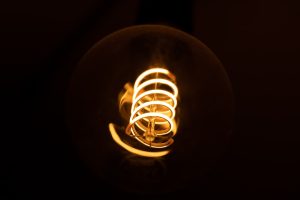
- Clear Glass: While offering minimal diffusion, clear glass shades allow for the full brilliance of the bulb to be visible. They are often chosen when the goal is to showcase decorative bulbs (e.g., Edison-style filaments) or to maximize light output in areas requiring high levels of illumination, such as task lighting over a kitchen island.
- Textured or Prismatic Glass: These shades utilize sculpted surfaces or internal patterns to refract and redirect light. Prismatic glass, for instance, can spread light horizontally, making it suitable for illuminating broad surfaces evenly. Textured glass can create unique visual patterns and add decorative interest while still diffusing light.
Aesthetic Integration
Glass light shades are a key element in defining the stylistic character of a lighting fixture and, by extension, the room it inhabits. Their form, finish, and color can significantly influence the overall design narrative.
- Classic and Traditional Styles: Spherical, bell-shaped, or fluted glass shades are often associated with traditional or colonial aesthetics, particularly when paired with polished or antique brass hardware. These shapes evoke historical elegance and familiarity.
- Mid-Century Modern: Conical, elongated, or geometric glass shades, sometimes in smoked or colored glass, are hallmarks of Mid-Century Modern design, reflecting a period of innovation and streamlined forms. They often appear as stark, angular forms reflecting a departure from ornate designs.
- Contemporary and Minimalist: Simple, unadorned shapes such as cylinders, globes, or irregular organic forms in clear or matte glass contribute to contemporary and minimalist aesthetics, emphasizing clean lines and understated elegance. These are often like photographic negatives, allowing other elements to come into focus.
- Industrial and Urban: Ribbed, seed, or heavily textured clear glass shades, often paired with raw or patinated brass, can evoke an industrial or urban loft sensibility, celebrating utilitarian materials and robust construction.
Manufacturing Techniques for Glass Shades
The variety of glass shades available is a testament to diverse manufacturing techniques. These processes influence the shade’s appearance, strength, and price point.
- Blown Glass: This artisanal method involves inflating molten glass with a blowpipe. It allows for unique, often imperfect, organic shapes and intricate hand-finished details. Blown glass shades can have subtle variations, making each piece unique.
- Pressed Glass: Molten glass is pressed into molds to create consistent shapes and often intricate patterns. This method is more suitable for mass production and results in shades with uniform dimensions and precise detailing. Examples include ribbed or patterned shades.
- Cased Glass: This technique involves layering different colors or types of glass, often an opaque inner layer with a clear or colored outer layer. This can create vibrant effects and improved light diffusion.
- Etched and Sandblasted Glass: Surface treatments like acid etching or sandblasting are used to create frosted effects, decorative patterns, or to soften the light. These techniques alter the surface texture, turning transparency into translucence.
Considerations for Selection and Maintenance
When choosing and maintaining lighting fixtures with long-lasting brass hardware and glass light shades, several factors warrant attention to ensure optimal performance and longevity.
Environmental Factors
The performance and aesthetic of brass and glass can be influenced by the environment in which they are installed.
- Humidity: While brass is corrosion-resistant, consistently high humidity can accelerate patination, especially in unlacquered brass. In very damp environments, such as bathrooms, a lacquered finish on brass might be preferred to maintain a bright appearance, or a more aggressive patination might be embraced.
- Air Quality: Exposure to certain airborne pollutants, especially sulfur compounds (common in industrial areas or near heavy traffic), can contribute to more rapid or uneven tarnishing of brass. Ammonia fumes, as noted, can contribute to stress corrosion cracking in susceptible brass alloys.
- UV Exposure: Glass shades are largely unaffected by UV radiation. However, prolonged direct sunlight exposure can heat the shades, which might be a consideration for bulb selection. UV can also affect the protective lacquer on brass, causing it to yellow or crack over many years.
Cleaning and Care
Proper cleaning and care are essential for maintaining the appearance and functionality of these fixtures.
- Brass Hardware:
- Unlacquered Brass: For a polished finish, use a dedicated brass cleaner and a soft cloth, following the product instructions. For patinated brass, use only a dry soft cloth to remove dust, as cleaners can strip the desired patina. Avoid abrasive cleaners or scouring pads.
- Lacquered Brass: Clean with a soft, damp cloth and mild soap. Avoid abrasive cleaners, as they can damage the lacquer, exposing the brass beneath and leading to uneven tarnishing.
- Glass Shades:
- General Cleaning: Most glass shades can be cleaned with a soft cloth dampened with water or a mild glass cleaner. Ensure the shade is completely cool before cleaning to prevent thermal shock, especially with cold liquid.
- Stubborn Grime: For greasy residue, a solution of warm water and a few drops of dish soap can be effective. Rinse thoroughly to avoid streaks and dry with a lint-free cloth.
- Removal for Cleaning: For thorough cleaning of enclosed shades, it is often advisable to safely remove them from the fixture. Ensure the fixture is off and bulbs are cool before handling.
Safety and Installation
Correct installation and adherence to safety guidelines are paramount for any electrical fixture.
- Electrical Safety: Always ensure the power supply to the fixture is turned off at the circuit breaker before installation, cleaning, or bulb replacement.
- Weight Bearing: Brass hardware is robust, but the combined weight of the hardware and glass shade must be properly supported by the ceiling or wall structure. Use appropriate mounting hardware and ensure the electrical box is rated to support the fixture’s weight.
- Bulb Compatibility: Select bulbs that are compatible with the fixture’s wattage rating and socket type. Overpowering a fixture can lead to overheating, fire hazards, and damage to the fixture’s components. Consider the heat generated by bulbs within enclosed glass shades, as excessive heat can reduce bulb lifespan or potentially damage wiring insulation over decades.
Aesthetic and Functional Advantages
The combination of long-lasting brass hardware and glass light shades offers distinct advantages that contribute to their enduring popularity in interior design and architectural applications.
Design Versatility
The inherent adaptability of both brass and glass allows for an extensive range of design expressions, from historical reproductions to cutting-edge contemporary designs.
- Material Finishes: Brass can be polished to a high sheen, brushed for a matte look, or chemically treated for an antique or oil-rubbed bronze finish. Each finish dramatically alters the perceived aesthetic. Glass offers finishes from crystal clear to heavily diffused, colored, or textured, further expanding the design palette.
- Shape and Form: The malleability of brass and the moldability of glass enable designers to create fixtures with diverse geometries and intricate details. This flexibility means that a brass and glass fixture can seamlessly integrate into vastly different design schemes, serving as either a focal point or a subtle accent.
- Timeless Appeal: Unlike trends that fade, the combination of brass and glass has maintained its aesthetic relevance for centuries. It’s a foundational pairing that transcends fleeting styles, representing a reliable choice for long-term interior planning.
Performance and Reliability
Beyond aesthetics, the material properties of brass and glass contribute to the reliable performance of the lighting fixture.
- Durability in Use: The mechanical strength of brass hardware ensures that the fixture remains structurally sound over decades of use, resisting bending, cracking, or fatigue. It is not uncommon to find brass fixtures from the early 20th century still functioning reliably today.
- Optical Clarity and Diffusion: Glass provides a stable medium for optical manipulation of light. Its non-yellowing and non-degrading properties ensure that the quality of light diffused or transmitted by the shade remains consistent throughout its lifespan, unlike some plastic alternatives that can degrade or yellow with UV exposure.
- Ease of Component Replacement: Due to standardization in lighting components, in many cases, if a glass shade is accidentally broken, a replacement can be sourced, or if a brass component is damaged in unique circumstances, specialized metalworkers can often repair or fabricate a new part. This repairability contributes to the fixture’s overall longevity rather than requiring full replacement.
Environmental Considerations
The long lifespan and material properties of brass and glass present certain environmental advantages.
- Reduced Waste: The inherent durability of these materials means fixtures last longer, reducing the frequency of replacement and consequently, the amount of waste sent to landfills. This contrasts sharply with fixtures made from less robust or aesthetically perishable materials.
- Recyclability: Both brass and glass are highly recyclable materials. At the end of their exceptionally long service life, if a fixture is decommissioned, its components can be sorted and returned to the manufacturing stream, reducing the demand for new raw materials and conserving energy.
- Chemical Stability: Glass, being chemically inert, does not leach harmful substances into the environment over time. Brass too is a stable alloy. Their longevity reduces the energy and environmental footprint associated with manufacturing and transporting replacement fixtures that would otherwise be needed for materials with shorter lifespans.
Conclusion
The enduring combination of long-lasting brass hardware and glass light shades offers a compelling proposition for those seeking durable, aesthetically versatile, and reliable lighting solutions. Their inherent material properties – the corrosion resistance and malleability of brass, coupled with the optical clarity and inertness of glass – ensure a prolonged lifespan and consistent performance. From a historical perspective, their partnership has consistently delivered on both functional and decorative fronts. For readers considering lighting fixtures, understanding these characteristics allows for informed decisions that prioritize both immediate appeal and long-term value, creating installations that are akin to living heirlooms rather than disposable commodities.