The concept of a “perfect match” often conjures images of romantic unions or ideal pairings of materials. When discussing lighting, however, the notion of a perfect match can extend to the functional and aesthetic synergy between a light source and its intended application. Dimmable Edison bulbs, a modern interpretation of early incandescent technology, represent a striking example of such a synergy. This article will explore why dimmable Edison bulbs can be considered a perfect match for numerous lighting scenarios, examining their historical context, technological evolution, aesthetic qualities, and practical advantages.
The Edison incandescent bulb, first commercially produced in the late 19th century, was a revolutionary invention. It transformed nighttime existence, enabling activities previously confined to daylight and fundamentally altering the rhythm of daily life. Prior to Edison’s innovation, illumination was primarily derived from open flames, candles, or gas lamps, all of which presented significant fire hazards and produced inconsistent light. The incandescent bulb offered a safer, more controllable, and brighter alternative.
The Dawn of Electric Light
Tom Edison’s relentless experimentation, famously involving thousands of filament materials, eventually led to a practical and durable carbonized filament. This breakthrough was not an isolated event but the culmination of scientific inquiry by numerous inventors. However, Edison’s ability to combine scientific discovery with commercial viability set his invention apart. The incandescent bulb quickly became the dominant form of artificial lighting worldwide.
The Edison Bulb’s Aesthetic Significance
Beyond its functional utility, the Edison bulb also possessed an inherent aesthetic appeal. The visible filament, often glowing with a warm, amber hue, projected an image of technological advancement and, to some extent, a kind of raw, honest craftsmanship. This visual characteristic, once a byproduct of primitive technology, has been rediscovered and celebrated in contemporary design.
The Evolution to Dimmability: Enhancing Control and Ambiance
The early Edison bulbs were essentially on-off devices; their brightness could not be adjusted. The introduction of dimming technology significantly expanded their potential, transforming them from simple light sources into tools for shaping atmosphere and enhancing visual comfort.
The Mechanics of Dimming Incandescent Bulbs
Dimming incandescent bulbs typically involves regulating the voltage supplied to the filament. Lowering the voltage causes the filament to heat up less, resulting in reduced light output and a warmer color temperature. This principle is implemented through various dimmer switches, which can be mechanical rheostats or, more commonly today, electronic solid-state devices.
Triac Dimmers and Their Role
Triac dimmers are a common type of electronic dimmer used for incandescent and halogen lighting. They work by controlling the flow of current to the bulb, effectively “chopping” the AC waveform at specific points. This allows for smooth and continuous adjustment of brightness. It is crucial that dimmable Edison bulbs are paired with compatible dimmer switches to ensure proper function and longevity.
Resistive vs. Capacitive Dimming
While resistive dimmers directly impede current flow, leading to heat generation and energy loss, modern solid-state dimmers, including Triac-based ones, are more energy-efficient. It is important to note that LED and CFL bulbs often require different types of dimmers than traditional incandescent bulbs, and using incompatible dimmers can lead to flickering, buzzing, or premature failure of the bulb.
The Impact of Dimming on Ambiance
The ability to dim an Edison bulb fundamentally alters its role in a space. Instead of providing a fixed level of illumination, it becomes a dynamic element capable of adapting to various activities and moods. A brightly lit room can be transformed into a cozy, intimate setting with a simple adjustment of the dimmer. This flexibility is a key aspect of why dimmable Edison bulbs are considered a perfect match for creating specific atmospheres.
The Aesthetic Resonance of the Dimmable Edison Bulb Today
The resurgence of Edison bulbs in modern interior design is a testament to their enduring appeal. Their vintage aesthetic, coupled with the enhanced functionality of dimming, positions them as a popular choice for a wide range of applications.
The Vintage Charm Rediscovered
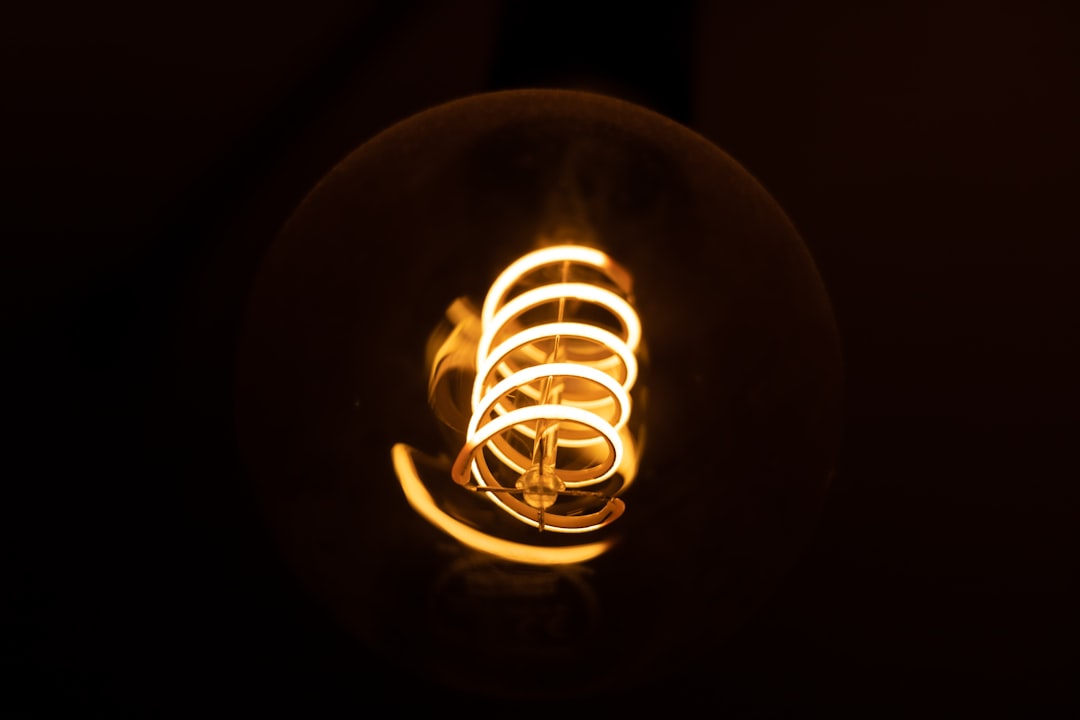
The exposed filament, often in intricate patterns like spirals or loops, evokes a sense of nostalgia and artisanal quality. This is particularly appealing in environments that aim for a retro, industrial, or rustic feel. The warm, often amber, glow is also a significant factor in their aesthetic appeal, contributing to a welcoming and comfortable atmosphere.
Filament Design Variations
Edison bulbs are not standardized in their filament design. Various configurations, from simple straight filaments to complex spiral and cage designs, are available. These variations allow for nuanced aesthetic choices, enabling designers and homeowners to select bulbs that complement specific décor styles and create unique visual effects.
The Color Temperature Advantage
The characteristic warm white (typically around 2200K to 2700K) of Edison bulbs is a significant contributor to their cozy and inviting ambiance. This color temperature is often associated with relaxation and comfort, making these bulbs ideal for living rooms, bedrooms, and dining areas. When dimmed, the color temperature becomes even warmer, further enhancing this effect.
Complementing Modern and Traditional Styles
While their origin is rooted in the past, dimmable Edison bulbs are surprisingly versatile. They can seamlessly integrate into modern minimalist designs, providing a focal point of warm light against clean lines. In traditional settings, they enhance the existing character and add a touch of historical authenticity. This adaptability is a significant factor in their widespread adoption.
Industrial Chic
The industrial aesthetic, characterized by exposed brick, metal accents, and raw materials, is a natural fit for Edison bulbs. Their visible filaments and warm glow complement the utilitarian and handcrafted feel of this style, creating authentic and engaging spaces.
Farmhouse and Rustic Décor
In farmhouse and rustic interiors, Edison bulbs contribute to a sense of warmth and authenticity. They evoke images of simpler times and complement natural materials like wood and stone, adding a timeless quality to the décor.
Contemporary Minimalism
Even in minimalist designs, Edison bulbs can be employed to introduce warmth and visual interest. A single statement fixture featuring a dimmable Edison bulb can become a conversation piece, providing a soft, inviting light that contrasts with the starkness of the overall design.
Practical Advantages of Dimmable Edison Bulbs
Beyond their aesthetic merits, dimmable Edison bulbs offer several practical benefits that contribute to their suitability as a “perfect match” in many situations.
Energy Consumption Considerations
It is important to address the energy consumption of traditional incandescent Edison bulbs. They are inherently less energy-efficient than modern LED alternatives, converting a significant portion of their energy into heat rather than light. However, the advent of dimmable LED Edison-style bulbs has addressed this concern.
The Rise of LED Edison Bulbs
LED Edison bulbs are designed to mimic the appearance of traditional incandescent Edison bulbs, complete with visible filaments and warm color temperatures, but with significant energy savings. These LED alternatives consume substantially less electricity and have a much longer lifespan. When choosing dimmable Edison bulbs, the option of LED technology is often the preferred choice for practical reasons.
Dimming and Energy Efficiency with LEDs
When an LED bulb is dimmed, its energy consumption is further reduced, making them an exceptionally energy-efficient lighting solution. This combination of appearance and energy efficiency makes dimmable LED Edison bulbs a compelling choice for both aesthetic and practical purposes.
Longevity and Maintenance
Traditional incandescent bulbs have a relatively short lifespan, often in the range of 1,000 to 2,000 hours. Dimmable LED Edison bulbs, on the other hand, can last for 20,000 to 50,000 hours or more. This significantly reduces the frequency of bulb replacements, leading to lower maintenance costs and less hassle.
Reduced Replacement Frequency
The extended lifespan of LED Edison bulbs translates directly into reduced costs associated with purchasing replacement bulbs. In commercial settings or hard-to-reach areas, this longevity can translate into significant savings in both materials and labor.
Environmental Impact
The lower energy consumption and longer lifespan of LED Edison bulbs also have a positive environmental impact. Reduced energy usage contributes to lower greenhouse gas emissions, and fewer discarded bulbs mean less waste in landfills.
Versatility in Application
The ability to control light intensity and the inherent aesthetic appeal of dimmable Edison bulbs make them suitable for a wide array of applications, from residential spaces to commercial establishments.
Residential Lighting
In homes, dimmable Edison bulbs are ideal for creating various moods in living rooms, dining rooms, and bedrooms. They can provide general illumination when needed or be dimmed to create a cozy atmosphere for relaxing or entertaining. Their use in pendant lights, chandeliers, and lamps allows for significant design flexibility.
Commercial and Hospitality Settings
Restaurants, cafes, bars, and boutiques often utilize dimmable Edison bulbs to cultivate a specific ambiance. The warm, inviting light can enhance the dining experience, create a relaxed atmosphere for patrons, or highlight merchandise in a retail setting. The vintage aesthetic also aligns well with many popular hospitality design trends.
Restaurants and Bistros
The warm glow of dimmable Edison bulbs contributes to an intimate and inviting dining environment, encouraging patrons to linger and enjoy their meals.
Retail Boutiques
In retail spaces, these bulbs can be used to create a sophisticated and welcoming atmosphere, drawing customers in and highlighting the products on display.
Event Spaces
For weddings, parties, and other events, the ability to adjust lighting levels with dimmable Edison bulbs provides crucial control over the mood and atmosphere of the venue.
Considerations for Optimal Use
While dimmable Edison bulbs offer numerous advantages, their successful implementation requires attention to certain details to ensure they function as the “perfect match” intended.
Compatibility with Dimmer Switches
As previously mentioned, ensuring the compatibility between dimmable Edison bulbs and dimmer switches is paramount. Using incompatible dimmers can lead to a range of issues, including flickering, buzzing, and reduced bulb lifespan. Always consult the bulb manufacturer’s recommendations for compatible dimmer types.
Understanding Dimmer Load Capacity
Every dimmer switch has a maximum load capacity, measured in watts. It is essential to ensure that the total wattage of the bulbs connected to a single dimmer does not exceed this capacity. Overloading a dimmer can lead to overheating and premature failure.
LED Dimmer Requirements
For LED Edison bulbs, specific LED-compatible dimmers are often required. These dimmers are designed to work with the unique electrical characteristics of LED technology and can prevent issues like flickering or buzzing that can occur with standard incandescent dimmers.
Bulb Wattage and Brightness
The wattage of an Edison bulb (especially incandescent) directly correlates to its brightness and energy consumption. For dimmable bulbs, it is important to select a wattage that provides adequate illumination when fully on, while also allowing for a desirable range of dimming. For LED versions, the lumen output is a more accurate measure of brightness.
Lumen Output vs. Wattage
While wattage was historically used as an indicator of brightness for incandescent bulbs, it is less relevant for LEDs. Lumen output is the true measure of brightness for LED bulbs, and it is important to consider this when selecting the appropriate replacement for an existing fixture.
Fixture Selection and Placement
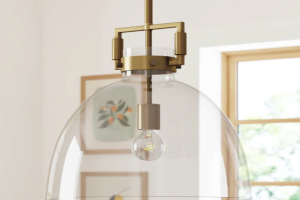
The choice of light fixture plays a significant role in how the light from an Edison bulb is distributed and perceived. Open fixtures that expose the bulb allow its aesthetic to be fully appreciated, while shaded fixtures can create more diffused and focused lighting effects.
Open vs. Enclosed Fixtures
Open fixtures, such as pendant lights with exposed bulbs or bare sockets, allow the intricate filament designs of Edison bulbs to be a central design element. Enclosed fixtures can soften the light and direct it more specifically, but may obscure the full aesthetic of the bulb.
Creating Layers of Light
Dimmable Edison bulbs are excellent for creating layers of light within a room. Combining them with other light sources, such as task lighting or accent lighting, allows for a more dynamic and functional lighting scheme.
Conclusion: A Symbiotic Relationship
The dimmable Edison bulb, in its modern LED incarnation, represents a remarkable confluence of historical aesthetics and contemporary technological advancement. Its ability to provide a warm, inviting ambiance, coupled with the practical benefits of dimming and energy efficiency, positions it as a versatile and highly desirable lighting solution. It is not merely a source of light; it is a tool for shaping atmosphere, enhancing visual comfort, and adding a distinct character to any space.
When thoughtfully integrated with compatible dimmer switches and appropriate fixtures, the dimmable Edison bulb transcends its origins to become a “perfect match” for a wide spectrum of design intentions and functional requirements. Its enduring appeal lies in this harmonious blend of past and present, form and function, making it a staple in contemporary interior design.