
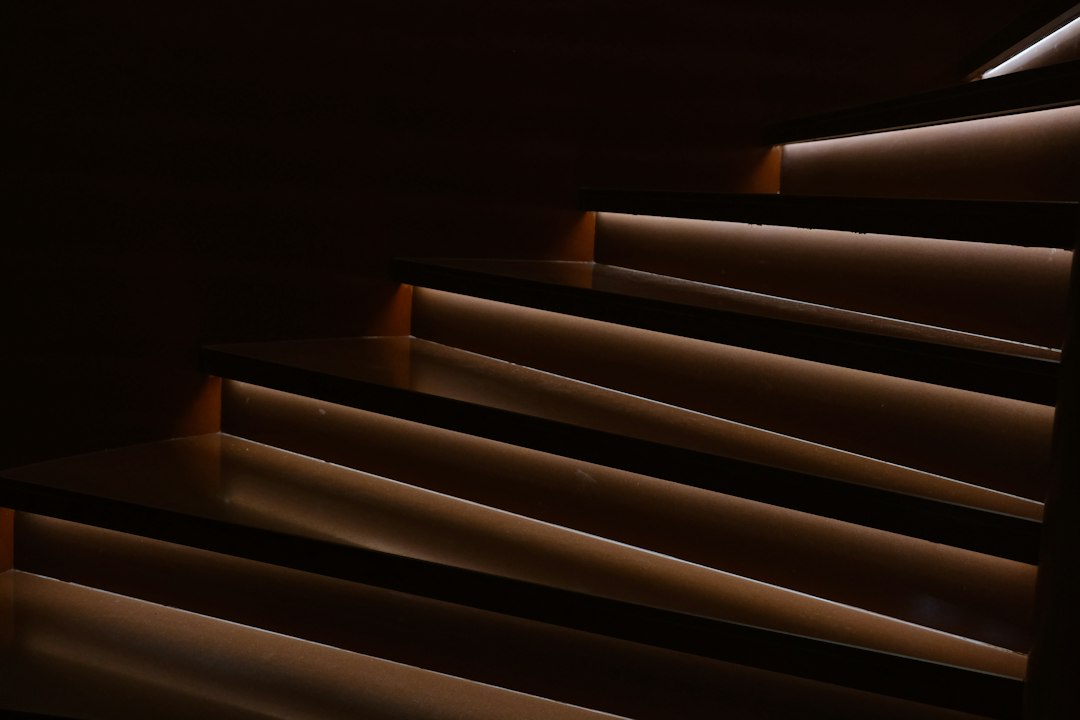
A three-way dimmable geometric desk lamp, while primarily designed for a desk, can absolutely work for stairway lighting, especially when you’re looking for a specific aesthetic and flexible light control. The key lies in strategic placement and understanding its limitations compared to traditional stairway fixtures. It’s not a direct replacement for overhead illumination, but rather an excellent supplementary, accent, or task light that adds a unique touch.
Why Consider a Desk Lamp for Stairways?
You might be thinking, “a desk lamp for a staircase? Really?” And it’s a fair question. Traditionally, stairway lighting Buyance involves overhead fixtures, wall sconces, or recessed lights. However, there are some compelling reasons why a three-way dimmable geometric desk lamp might be a surprisingly effective and stylish choice for certain stairway scenarios.
The Appeal of Geometric Design
Geometric designs have a modern, clean, and often minimalist aesthetic. They can act as a piece of functional art, elevating the visual appeal of a stairway that might otherwise feel utilitarian. In a contemporary or even industrial-style home, a geometric lamp can tie into the overall design scheme, providing continuity and a deliberate decorative element.
The Power of Three-Way Dimmability
This is where the practical benefits truly shine. A three-way dimmer offers three distinct levels of brightness (low, medium, high), providing significant flexibility for stairway lighting.
Setting the Mood
- Low Setting: Perfect for a subtle nightlight effect, guiding footsteps without being jarring. It creates a soft, ambient glow that’s ideal for late-night trips to the bathroom or kitchen, avoiding bright light exposure that can disrupt sleep patterns.
- Medium Setting: Offers a comfortable level of illumination for general use, providing enough light to see steps clearly without feeling overly bright. This is great for when you’re just moving around the house.
- High Setting: Provides sufficient light for more detailed tasks, like reading a note left on a step, or when you need brighter illumination for cleaning the stairs.
This versatility means you’re not stuck with a single, unchangeable brightness, which is a common limitation of many standard stairway fixtures.
Adding a Unique Design Element
Let’s face it, many stairway lights are functional but lack character. A geometric desk lamp breaks that mold. It introduces an unexpected element, acting as a conversation starter and a focal point. It can add an industrial, modern, or even an artistic touch, depending on the specific lamp’s design and materials. This is especially true if your stairway is an open-concept feature of your home rather than a tucked-away utility area.
Strategic Placement for Maximum Impact
Since it’s a desk lamp, its placement is crucial. You’re not mounting it to the ceiling or wall in the traditional sense. Instead, you’ll be leveraging existing surfaces.
Resting on Landing Surfaces
If your staircase has landings, especially wider ones, a desk lamp can sit comfortably on a console table, a small accent table, or even a deep shelf on the landing. This provides indirect light that washes over a section of the stairs.
Integrated into Staircase Shelving
Some modern staircases incorporate built-in shelving or nooks. These are ideal spots for a desk lamp, allowing it to provide light while being securely placed and less prone to being knocked over.
Pedestal or Floor Stand Use
For staircases without convenient landings or shelves, consider placing a slender pedestal or a small, sturdy floor stand next to the stairs where the lamp can safely reside. Ensure the stand is stable and positioned out of the main traffic path.
Practical Considerations for Installation and Safety
While a desk lamp can be a stylish and functional addition, you need to think practically about its use in a high-traffic area like a staircase. Safety and electrical concerns are paramount.
Cord Management is Crucial
This is perhaps the biggest practical hurdle. A desk lamp has a power cord, and cords on stairs are a major tripping hazard.
Using Cord Covers or Channels
For a cleaner and safer look, invest in cord covers or channels that can be adhered to the wall or floor. These hide and protect the cord, preventing accidental trips and maintaining a neat appearance. Match the color to your wall or floor for a seamless look.
Proximity to Outlets
Ideally, the lamp should be placed near an existing electrical outlet to minimize the length of exposed cord. If an outlet isn’t close, you’ll need to consider an extension cord, but this should be done with extreme caution. An extension cord should be heavy-duty, rated for the lamp’s wattage, and most importantly, completely secured and out of the way. Avoid running extension cords under rugs or in high-traffic areas without proper protection.
Professional Electrical Solutions
For a truly integrated and safe setup, especially if you want the lamp in a location far from an outlet, consider having a professional electrician install a new outlet in a convenient and discreet location. This eliminates the need for extension cords and offers the cleanest look.
Stability and Security
A lamp that can be easily knocked over on a staircase is a hazard.
Heavy Base or Non-Slip Pads
Choose a lamp with a heavy, stable base. If the base feels light, consider adding non-slip furniture pads to the bottom to increase its grip on the surface it rests on.
Permanent Fixture Considerations
If you want the lamp to be a permanent feature, you might even consider methods to semi-permanently attach it to its surface (e.g., using adhesive or small brackets if the lamp’s design allows, and if it won’t damage the lamp or the surface). Always ensure the method is secure but also allows for safe removal if needed.
Light Distribution and Glare
A desk lamp’s light is often directed. While this can be good for accent lighting, you need to ensure it effectively illuminates the stairs without creating harsh shadows or glare.
Aiming the Light
Experiment with the lamp’s position and orientation. If it has an adjustable head, direct the light to wash over the steps rather than shining directly into someone’s eyes as they ascend or descend.
Diffused Light Sources
Lamps with shades that diffuse light, or those with indirect upward or downward light emission, might be more suitable than those with a very focused, harsh beam. A softer glow is generally preferable for stairway lighting.
Aesthetics and Design Integration
Beyond function, the look of the lamp and how it blends with your existing decor is crucial for a successful installation. A geometric desk lamp is a statement piece; make sure it’s the right statement.
Matching Interior Design Styles
Geometric designs often align well with specific interior styles.
Modern and Contemporary
This is where geometric lamps truly shine. Their clean lines, angular forms, and often minimalist construction fit perfectly into modern and contemporary homes, complementing sleek furniture and open spaces.
Industrial
Many geometric lamps, especially those made with metal and exposed bulbs, can lean into an industrial aesthetic, pairing well with raw materials like brick, concrete, and unfinished wood.
Eclectic
In an eclectic space, a geometric lamp can provide a structured anchor amidst a mix of styles, adding a contemporary touch without clashing.
Transitional
Even in transitional spaces (a blend of traditional and modern), a geometric lamp with softer angles or neutral finishes can integrate well, providing a fresh update without being too jarring.
Color and Material Choices
The lamp’s color and material significantly influence its overall aesthetic impact.
Metallics
Brushed brass, matte black, polished chrome, and copper are popular choices for geometric lamps. They add a touch of sophistication and can either blend in or stand out, depending on the surrounding finishes.
Wood
Some geometric lamps incorporate wood elements, bringing a natural and warmer touch to the modern design. This can be great for softening the look in an otherwise stark space.
Glass and Acrylic
For a lighter, more ethereal feel, geometric lamps with glass or acrylic elements can add visual interest without being heavy. These often work well in smaller spaces where you want to maintain an airy feel.
Scale and Proportion
Pay attention to the size of the lamp relative to its placement and the staircase itself.
Not Too Small, Not Too Large
A lamp that’s too small might get lost and not provide enough illumination. One that’s too large could overwhelm the space or become an obstruction. Measure your available surface area and consider the visual weight of the lamp.
Visual Balance
Consider how the lamp balances with other elements on the landing or along the staircase. Is there artwork, a plant, or another decorative item? Ensure the lamp contributes to a harmonious overall composition.
Alternatives and Enhancements
While a desk lamp can work, it’s worth considering how it compares to or can be complemented by other lighting solutions for stairways.
Combining with Traditional Stairway Lighting
You don’t have to choose between a desk lamp and traditional stairway lighting; they can work together.
Ambient Layer with Overhead Fixtures
Use overhead recessed lights or a chandelier for general ambient light across the entire staircase. The geometric desk lamp can then act as a localized accent or task light on a landing.
Wall Sconces for Mid-Level Illumination
If you have wall sconces, the desk lamp can provide an additional layer of light, perhaps at a different height or with a different light quality, creating more depth and interest.
Toe-Kick or Step Lights for Safety
For maximum safety and a sleek look, integrate toe-kick lights or individual step lights. These are low-level lights built into the steps themselves, ensuring clear visibility of each tread. The desk lamp would then become purely decorative and for mood lighting.
Smart Home Integration
Many modern desk lamps, especially those with dimmability, can be integrated into smart home systems.
Smart Plugs for Remote Control
If your lamp isn’t inherently smart, you can plug it into a smart plug. This allows you to control the lamp (on/off, and potentially dimming if the lamp itself supports it) via a smartphone app, voice commands, or even schedule it to turn on and off automatically.
Motion Sensors
Combine a smart plug with a motion sensor. As someone approaches the stairs, the lamp can automatically turn on, providing light exactly when it’s needed and saving energy when it’s not. This is a significant safety enhancement.
Scheduling and Scenes
Set schedules for the lamp to turn on at dusk and off at dawn, or create “scenes” where the lamp dims to a low setting when you activate “night mode” for your home.
Battery-Powered Options for Flexibility
For situations where power outlets are completely unavailable or running cords is absolutely not an option, consider high-quality battery-powered geometric lamps.
Rechargeable Batteries
Many modern battery lamps use rechargeable batteries, making them more eco-friendly and convenient. Look for models with long battery life and easy charging.
Motion-Activated Battery Lamps
Some battery-powered lamps also come with built-in motion sensors, offering similar convenience to smart home solutions without needing wiring or external smart devices.
Limitations of Battery Power
Be aware that battery-powered lamps might not offer the same brightness or consistent performance as wired lamps. They also require regular recharging, which can be a chore for a permanent fixture. They are better suited for temporary solutions or very low-light accent purposes.
Maintaining and Enjoying Your Lamp
Once you’ve got your three-way dimmable geometric desk lamp set up for your stairway, a little ongoing care will ensure it continues to look great and function safely.
Regular Cleaning
Dust and dirt can accumulate quickly, especially in high-traffic areas like staircases.
Gentle Wiping
Use a soft, dry cloth to regularly wipe down the lamp’s surfaces. For metallic finishes, avoid abrasive cleaners that can scratch or dull the surface. For glass or acrylic components, use a mild glass cleaner sparingly, applied to the cloth, not directly to the lamp.
Bulb Maintenance
Dust can also collect on the light bulb itself, slightly dimming its output. Ensure the lamp is unplugged and cool before gently wiping the bulb clean with a soft, dry cloth.
Bulb Replacement and Compatibility
Eventually, your bulb will need replacing.
Correct Bulb Type
Always use the correct bulb type and wattage specified by the lamp’s manufacturer. Using an incorrect bulb can damage the lamp, pose a fire hazard, or prevent the dimming function from working correctly.
LED for Efficiency and Longevity
If your lamp uses standard incandescent or CFL bulbs, consider replacing them with LED bulbs if compatible. LEDs are significantly more energy-efficient, last much longer, and many are now designed to be dimmable. Look for “dimmable LED” on the packaging.
Troubleshooting Dimming Issues
If your three-way dimming function stops working, here are a few things to check:
Bulb Compatibility
Ensure you’re using a three-way bulb (which has two filaments) or a dimmable LED bulb specifically designed for three-way sockets. A standard single-filament bulb will only work on one setting or not at all.
Socket Condition
Check if the bulb is screwed in properly and that there’s no corrosion or damage in the lamp’s socket.
Lamp’s Internal Wiring
If the bulb is correct and the socket looks good, there might be an issue with the lamp’s internal wiring or the dimmer switch itself. At this point, it might be best to consult with a professional electrician or consider replacing the lamp.
By considering these practicalities, integrating the lamp thoughtfully into your design, and maintaining it properly, a three-way dimmable geometric desk lamp can indeed be a fantastic and unique lighting solution for your stairway, blending aesthetics with customizable functionality.