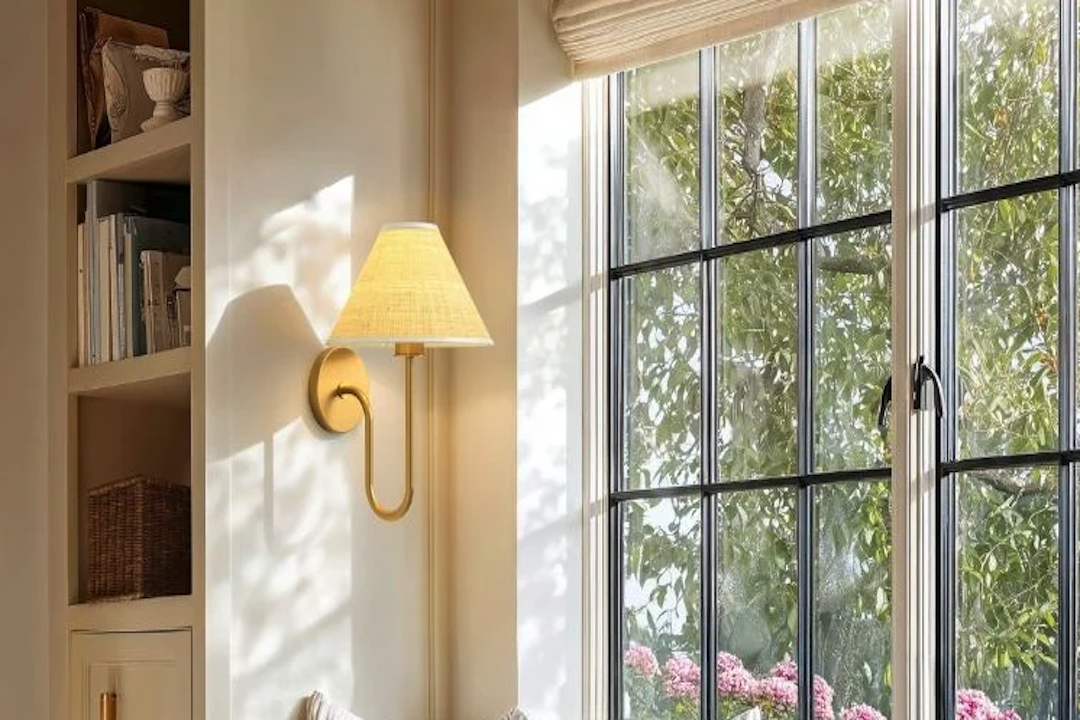
Natural Scandinavian style wooden sconce lighting can transform a bedroom into a calm, inviting space. These fixtures, characterized by their minimalist design, natural materials, and warm light, directly contribute to a serene atmosphere, which is ideal for relaxation and sleep. They offer a practical lighting solution that also enhances the aesthetic, making your bedroom feel more harmonious and visually appealing.
Why Sconce Lighting?
Sconces are mounted directly to the wall, which frees up valuable space on nightstands or dressers. This is particularly beneficial in smaller bedrooms. Beyond space-saving, sconces often provide a diffused, ambient light Akahome that’s less harsh than overhead fixtures, contributing to a softer, more intimate environment.
The Scandinavian design philosophy centers on simplicity, functionality, and a deep connection to nature. When applied to lighting, this translates to uncluttered forms, durable materials, and a focus on natural light and its mimics. Wooden sconces fit this ethos perfectly.
Core Principles of Scandinavian Design
At its heart, Scandinavian design emphasizes “hygge” – a feeling of coziness and contentment. This is achieved through thoughtful design choices, including material selection and lighting. The goal is to create spaces that feel welcoming and comfortable, promoting well-being.
- Simplicity and Minimalism: Clean lines, absence of excessive ornamentation.
- Functionality: Every element serves a purpose.
- Natural Materials: Wood, wool, cotton, linen are prevalent.
- Light and Brightness: Maximizing natural light, using artificial light to enhance warmth.
- Neutral Color Palettes: Whites, greys, soft blues, and muted greens.
The Role of Wood in Scandinavian Design
Wood is foundational to Scandinavian design. Its warmth, texture, and organic patterns bring a sense of nature indoors, promoting a calming effect. Using sustainably sourced wood also aligns with the environmental consciousness often associated with this style. Different types of wood, such as birch, oak, or ash, offer unique grain patterns and tones that subtly influence the overall feel of a room.
Selecting the Right Wooden Sconce for Your Bedroom
Choosing the right sconce involves considering its material, design, light output, and how it integrates with your existing decor. The aim is to achieve a cohesive look that feels truly natural and functional.
Material Deep Dive: Types of Wood
The type of wood used for your sconce affects its longevity, appearance, and even its compatibility with different finishes.
- Oak: Known for its durability and prominent grain pattern. It’s robust and can withstand various treatments. Oak brings a classic, sturdy feel.
- Ash: Lighter in color than oak, with a more subtle grain. It offers a contemporary, airy look and is also very strong.
- Birch: Very light in color, almost white. Birch has a fine, often straight grain, providing a minimalist and serene appearance. It’s a good choice if you’re aiming for a very light and bright aesthetic.
- Pine: More affordable, with a knotty appearance that can add rustic charm. Pine is softer and more prone to dents but can be sealed well.
Design Considerations
Scandinavian sconces generally feature straightforward designs, but there are variations worth exploring.
- Geometric Shapes: Think simple circles, squares, or rectangular forms. These clean lines reinforce the minimalist aesthetic.
- Organic Forms: Some designs might play with softer, more curved shapes, gently nodding to nature without being overly elaborate. These can soften the look of a very angular room.
- Adjustable Arms: For reading lights, an adjustable arm is highly practical, allowing you to direct light precisely where needed without disturbing a partner.
- Integrated Shelves: Certain sconces come with a small, integrated shelf. This multi-functional design can be practical for holding a phone, a small book, or a decorative item, further enhancing space efficiency.
Light Temperature and Brightness
The quality of light emitted is as important as the fixture itself.
- Warm White (2700K-3000K): This is generally recommended for bedrooms. It creates a cozy and inviting atmosphere, perfect for winding down. Avoid anything too cold (above 4000K) as it can disrupt sleep patterns.
- Dimmable Options: A dimmer switch is almost essential for bedroom sconces. It allows you to adjust the brightness from a soft nightlight to a functional reading light, providing versatility and controlling the mood.
- LED Bulbs: Modern LED bulbs are energy-efficient and long-lasting. They also offer excellent control over color temperature, making them ideal for achieving the desired ambiance.
Practical Placement and Installation
Strategic placement of your sconces is key to maximizing their aesthetic and functional benefits. Good planning ensures they enhance your bedroom rather than cluttering it.
Above the Bed
This is a common and effective placement. Installing sconces on either side of the bed, roughly shoulder-height when seated, provides individual reading light without occupying nightstand space.
- Height: A general rule of thumb is to place the bottom of the sconce shade approximately 24-30 inches above the top of your mattress. This height works well for reading and general ambient light.
- Symmetry: For a balanced look, ensure both sconces are at the same height and distance from the bed.
Along a Wall
If you have a particularly long wall that feels a bit empty, a series of evenly spaced sconces can create visual interest and provide ambient lighting for the whole room. This approach works well in larger bedrooms or those with an open-plan layout.
Near a Seating Area
If your bedroom includes a reading nook or a comfortable armchair, a single sconce positioned above or beside it can create a dedicated, well-lit zone. Ensure the light source is positioned to minimize glare and maximize comfort.
Installation Considerations
- Hardwired vs. Plug-in: Hardwired sconces offer a cleaner look as the wiring is concealed within the wall. However, they require electrical work and potentially patching walls. Plug-in sconces are simpler to install yourself and can be moved, but the visible cord needs to be managed for an aesthetic look. Cord covers can help here.
- Switching: Decide whether you want individual switches on each sconce, a single wall switch controlling both, or a remote control option. For bedside sconces, individual switches or easily accessible pull chains are practical.
Integrating with Existing Bedroom Decor
Natural Scandinavian style sconces are versatile, but thoughtfully integrating them ensures a cohesive and tranquil bedroom environment. They should complement, not compete with, your existing items.
Color Palettes
Scandinavian design leans heavily on neutral colors.
- Whites and Off-Whites: These form the base, maximizing the feeling of light and space.
- Greys and Beiges: These add subtle depth and warmth without overwhelming the room.
- Soft Accents: Introduce muted tones of blue, green, or even terracotta through textiles or small decorative items. The wooden sconce will naturally blend in, adding its organic texture to this calm palette.
Complementary Materials and Textures
To enhance the natural feel, consider combining different textures.
- Textiles: Introduce linen bedding, wool throws, or cotton curtains. These soft materials contrast beautifully with the solid wood of the sconces.
- Fibers: A jute rug or wicker storage baskets can echo the natural material theme.
- Ceramics: Handmade ceramic pieces, such as a simple vase or a decorative bowl, can add an artisanal touch.
- Plants: Greenery is a core element of Scandinavian style. A few well-placed plants, like a Snake plant or a Pothos, will enhance the connection to nature and purify the air.
Furniture Harmony
Your existing bedroom furniture should ideally follow a similar minimalist or natural aesthetic.
- Simple Forms: Furniture with clean lines and understated designs will work best.
- Wood Finishes: If your furniture is also wood, try to select a sconce whose wood tone either matches or harmonizes well. For instance, a light ash sconce might complement light oak furniture, or provide a soft contrast to darker walnut.
- Avoid Clutter: Scandinavian design thrives on uncluttered spaces. Ensure surrounding areas are free from unnecessary items to let the sconces stand out as functional, beautiful elements.
Maintenance and Longevity
Wooden sconces are designed to last, but a little care can significantly extend their life and keep them looking their best.
Regular Cleaning
Dust is the primary enemy of any light fixture.
- Dusting: Use a soft, dry cloth or a feather duster to regularly remove surface dust from the wood and the shade. This prevents buildup that can dull the finish and impact light output.
- Spot Cleaning: For any smudges or marks on the wood, dampen a cloth with a small amount of water (or a very mild wood cleaner designed for furniture), wipe gently, and then immediately dry the area with a clean cloth. Avoid harsh chemicals that can strip the wood’s finish or cause discoloration.
Protecting the Wood Finish
Most wooden sconces will come with a protective finish, such as a varnish, oil, or wax.
- Avoid Moisture: Keep the sconces away from excessive moisture, as this can cause the wood to swell, crack, or warp. If in a humid environment, ensure good ventilation.
- UV Exposure: Direct sunlight over long periods can fade or alter the color of wood. While bedrooms often have curtains that mitigate this, it’s something to be aware of if your sconces are near a very sunny window.
- Re-Oiling/Waxing: If your sconce has an oil or wax finish, it might benefit from re-application every few years, depending on the specific product and environmental conditions. This helps to nourish and protect the wood. Always follow the manufacturer’s recommendations.
Bulb Replacement
While LED bulbs last a long time, eventually they will need replacing.
- Power Off: Always ensure the power to the sconce is turned off at the breaker before attempting to replace a bulb.
- Matching Specifications: Use a bulb of the correct wattage and base type as specified by the manufacturer. If you’re switching to an LED, ensure it’s compatible with any dimmer switches you have installed.
- Handle with Care: Allow bulbs to cool before touching them. Use a soft cloth when handling glass bulbs to avoid leaving fingerprints which can create hot spots.
By following these practical steps, your natural Scandinavian style wooden sconces will continue to provide beautiful, functional lighting and contribute to the peaceful ambiance of your bedroom for many years to come.