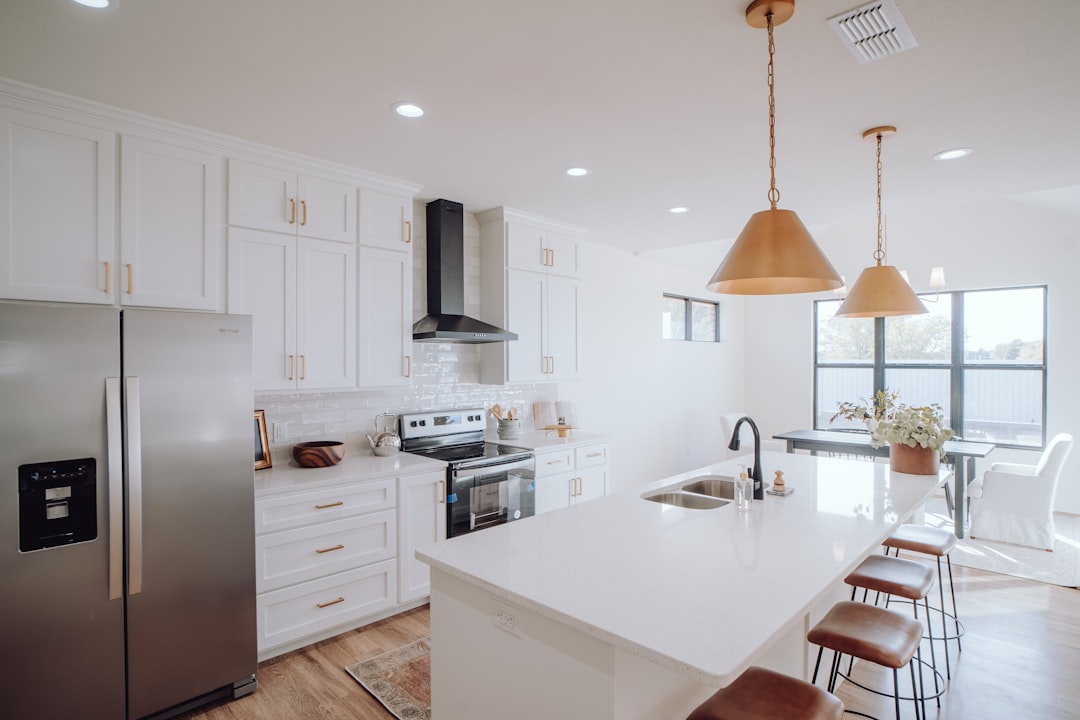
Organic modern kitchen lighting, especially with stone pendant fixtures, aims to blend the raw beauty of nature with the clean lines and functionality of modern design. It’s about creating a space that feels both earthy and sophisticated, using natural materials to add warmth and character without sacrificing a contemporary aesthetic.
Stone pendant lights Lucksnail are a fantastic choice for an organic modern kitchen because they inherently embody the core principles of this style. They bring an element of the natural world directly into your home, adding texture, unique variations, and a grounded feel. Unlike their glass or metal counterparts, stone pendants offer a softer, more diffused light, and their organic forms complement the natural wood, plants, and muted color palettes often found in organic modern designs.
Connecting with Nature’s Palette
Think about the colors and textures you find in a natural landscape – the subtle variations in a river stone, the strata of a cliff face, or the smooth coolness of a polished pebble. Stone pendants capture this essence, bringing those unique characteristics into your kitchen. Each piece is truly one-of-a-kind.
A Touch of Understated Luxury
While natural and unrefined, stone also carries an inherent sense of luxury. It’s a durable, timeless material that speaks to quality and craftsmanship. In an organic modern kitchen, this translates to a subtle elegance that doesn’t feel flashy or overdone, but rather deeply considered and intentional.
Key Considerations When Choosing Stone Pendants
Selecting the right stone pendant involves more than just picking a pretty light. There are practical and aesthetic factors to weigh to ensure they perfectly integrate into your kitchen’s design and provide the lighting you need.
Type of Stone and Its Characteristics
The type of stone you choose will significantly impact the look, feel, and even the light output of your pendant. Each stone has its own unique properties.
Travertine: Warmth and Texture
Travertine, a form of limestone, is known for its beautiful porous surface and earthy tones ranging from creamy whites to warm browns. Its natural pitting adds incredible texture and a sense of history. When lit, travertine often produces a warm, inviting glow.
Marble: Sophistication and Veining
Marble offers a more refined, luxurious feel with its distinctive veining and often cooler color palette. While it can be more expensive, the dramatic patterns and polished finish of marble pendants can be a stunning focal point. It can range from bright whites with subtle grey veins to deeper greens and blacks.
Alabaster: Translucence and Soft Light
Alabaster is a type of gypsum that is incredibly translucent, allowing light to pass through it beautifully. This results in an incredibly soft, diffused, and almost ethereal glow, making it perfect for creating an ambient, welcoming atmosphere. It often comes in milky white or pale yellow hues.
Soapstone: Darker Hues and Smoothness
For a bolder, darker statement, soapstone can be an excellent choice. It typically comes in shades of grey or green, with a smooth, almost velvety feel. While less translucent than alabaster, it still offers a pleasing, subdued light and can add a sophisticated contrast to lighter kitchen elements.
Size and Scale: Balancing Act
The size and scale of your stone pendants are crucial for achieving balance and ensuring they don’t overpower or get lost in your kitchen. Consider the size of your island, the height of your ceilings, and the overall dimensions of the room.
For a Kitchen Island
For a standard kitchen island, you’ll typically want to hang multiple pendants. The general rule of thumb is to allow enough space between them so they don’t look crowded, usually 24-30 inches apart. The size of each individual pendant should be proportionate to the island’s length.
For a Smaller Nook or Corner
In a smaller area like a breakfast nook or a specific task zone, a single, slightly larger pendant might be more appropriate. It can act as a focal point and provide concentrated light where needed.
Ceiling Height Matters
If you have very high ceilings, you might opt for longer suspension rods or larger pendants to fill the vertical space. Conversely, lower ceilings might call for more compact designs to avoid feeling too close to the head.
Light Output and Functionality
While stone pendants excel at creating ambiance, don’t forget their primary function: providing light. Consider what kind of light you need in different areas of your kitchen.
Ambient Lighting
For overall room illumination, stone pendants can contribute to ambient light, especially translucent ones like alabaster. However, you might still need recessed lighting or other sources for general brightness.
Task Lighting
Over an island or work area, pendants provide excellent task lighting. The light will be directed downwards, illuminating your prep surface. However, the diffusion of stone might mean you need slightly brighter bulbs than with a clear glass fixture.
Dimmer Switches are Your Friend
Always pair your stone pendants with dimmer switches. This allows you to adjust the light intensity throughout the day, shifting from bright task lighting during meal prep to a soft, ambient glow for entertaining or relaxing.
Integrating Stone Pendants into Organic Modern Design
The beauty of organic modern design is its thoughtful simplicity. Stone pendants should enhance, not distract from, this aesthetic.
Complementary Materials and Textures
Think about the other materials present in your kitchen. Natural wood cabinetry, concrete countertops, woven bar stools, and textured backsplashes all play well with stone pendants. The goal is to create a cohesive sensory experience.
Wood and Stone: A Classic Pairing
The warmth of natural wood, whether light oak or darker walnut, beautifully complements the cool, earthy tones of stone. This pairing creates an immediate connection to nature.
Metal Accents: Subtle Contrast
Brushed brass, matte black, or even polished chrome can add a subtle modern edge to stone pendants without competing for attention. Use these metals sparingly in hardware or other light fixtures to tie the look together.
Greenery: A Living Element
Adding living plants, whether in pots on the counter or hanging baskets, further reinforces the organic modern aesthetic and helps to soften the hard lines of the kitchen. They also echo the natural material of the stone.
Color Palette Harmony
Organic modern kitchens often feature a muted, earthy color palette. Your stone pendants should integrate seamlessly within this.
Whites and Creams
Light-colored stones like white marble or pale travertine blend effortlessly with white or off-white cabinetry, creating a bright and airy feel while still adding textural interest.
Greys and Blacks
Darker stones like soapstone or charcoal grey marble can provide a dramatic contrast against lighter elements or complement darker cabinetry for a sophisticated, moody vibe.
Earth Tones
Travertine’s natural browns and beiges are perfect for kitchens featuring other warm wood tones or earthy-toned tiles.
Placement and Arrangement
How you arrange your stone pendants can dramatically alter the feel of your kitchen.
Linear Above an Island
The most common arrangement is a linear placement of two or three (or more, depending on island length) pendants evenly spaced above a kitchen island. This provides balanced task lighting and a strong visual statement.
Asymmetrical Grouping
For a more artistic, less formal look, consider grouping pendants of varying heights and potentially even slightly different sizes in an asymmetrical cluster. This works well over a smaller round table or a specific focal point.
Single Statement Piece
In a smaller kitchen, or over a dedicated dining area within the kitchen, a single, larger stone pendant can serve as a powerful focal point, drawing the eye and providing ample light.
Practicalities of Installation and Maintenance
While beautiful, stone pendants do come with some practical considerations regarding installation and long-term care.
Professional Installation Recommended
Given the weight and often delicate nature of stone, professional installation is highly recommended. Electricians are experienced in securely mounting fixtures, especially heavy ones, and ensuring proper wiring.
Weight Considerations
Stone is heavier than most other lighting materials. Ensure your ceiling can support the weight of the fixture. This is another reason professional installation is crucial; they can assess and reinforce if necessary.
Wiring and Ceiling Boxes
Proper wiring and a robust ceiling electrical box are essential for safety and stability.
Cleaning and Care
Stone, while durable, requires specific care to maintain its beauty.
Dusting
Regularly dust your stone pendants with a soft, dry cloth to prevent buildup.
Spot Cleaning
For smudges or dirt, use a damp cloth with plain water. Avoid harsh chemical cleaners, as they can etch or damage the stone’s surface, especially polished finishes.
Sealing (for some stones)
Some porous stones, like travertine, might benefit from periodic sealing to protect against stains. Consult the manufacturer’s recommendations for your specific stone type.
Where to Source Your Stone Pendants
Finding high-quality stone pendants might take a bit more searching than mass-produced options, but the effort is worth it for a truly unique piece.
Independent Artisans and Designers
Many skilled artisans specialize in working with natural stone. Their pieces are often handmade, offering a level of craftsmanship and individuality that’s hard to beat. Look for them at local craft fairs, online marketplaces like Etsy, or through specialized lighting design studios.
Custom Options
Working directly with an artisan often allows for customization in terms of stone type, finish, size, and even the fixture’s hardware, ensuring a perfect fit for your kitchen.
Boutique Lighting Showrooms
High-end lighting showrooms often carry curated collections from smaller designers or offer unique, imported stone lighting options. These can be a great place to see the fixtures in person and get expert advice.
Online Retailers (with caution)
While larger online retailers offer convenience, be cautious when purchasing stone pendants without seeing them first. Photos might not accurately represent the stone’s color, veining, or translucency. Always check return policies and look for clear, detailed product descriptions and multiple high-resolution images.
Sustainable Choices
When sourcing, consider vendors who prioritize ethical sourcing of their stone and sustainable manufacturing practices. This aligns perfectly with the organic modern ethos of respecting natural materials and processes.
The Enduring Appeal of Organic Modern Lighting
Organic modern design, and stone pendants within it, isn’t just a trend; it’s a philosophy. It’s about creating spaces that are calming, functional, and deeply connected to the natural world. Stone pendants offer a unique way to bring this philosophy to life in your kitchen, transforming it into a space that feels both effortlessly elegant and warmly inviting. They stand as testaments to nature’s artistry, bringing a quiet grandeur and a grounding presence to the heart of your home.