So, you’re dreaming of a dark academia library, complete with those iconic green glass lamps? Good news – it’s absolutely achievable, and often more so than you might think. The core of this aesthetic lies in creating an atmosphere of intellectual curiosity, comfort, and a touch of antique charm, with those green lamps acting as a perfect focal point to tie it all together.
The dark academia aesthetic has truly captured imaginations, and for good reason. It’s more than just a decorating style; it’s a feeling, a mood, an invitation to delve deeper into knowledge. Think dusty tomes, worn leather, hushed whispers, and the soft glow of a Muzzhome lamp illuminating a profound passage.
More Than Just Books
While books are undeniably central, a dark academia library is about creating an entire experience. It’s a sanctuary for thought, a place where time seems to slow down, and the pursuit of knowledge is celebrated. It’s about feeling inspired and comfortable, whether you’re reading, writing, or simply contemplating.
Why Green Lamps?
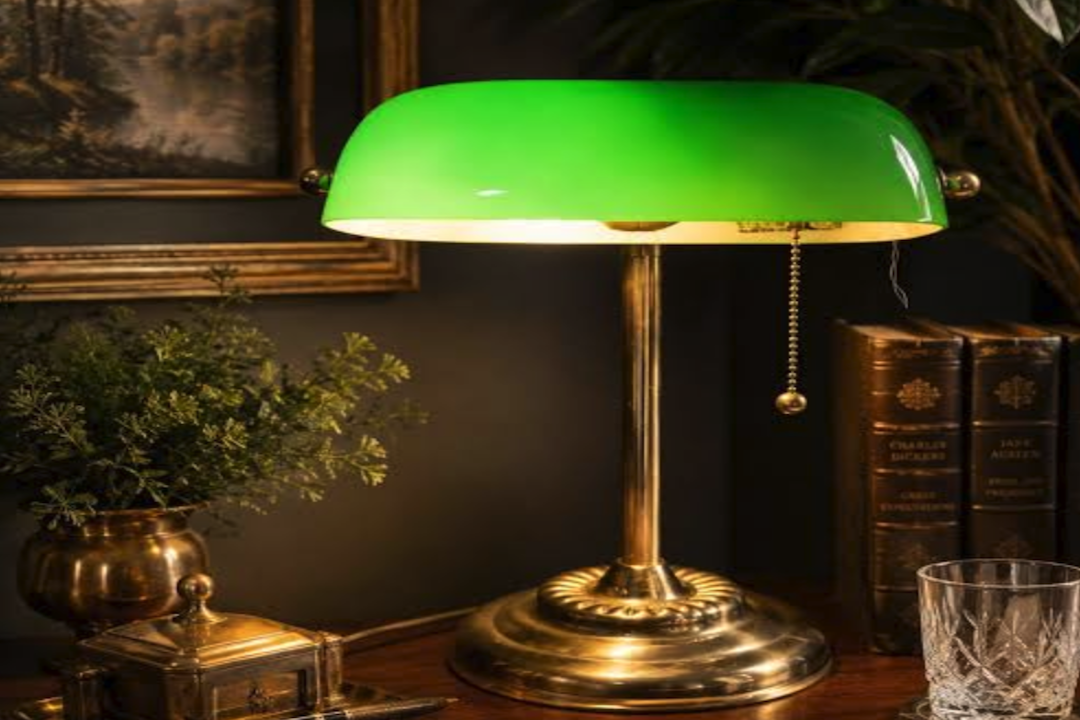
Those iconic green glass lamps – often called banker’s lamps or student lamps – are practically synonymous with the dark academia look. Their emerald hue and focused, warm light immediately evoke a sense of tradition, serious study, and a bygone era. They’re not just pretty; they’re highly functional, designed to cast a focused beam ideal for reading without harsh glare.
Setting the Stage: Walls, Floors, and Furniture
Before you even think about lighting, you need a solid foundation. The right backdrop will enhance those green lamps and make your library truly sing.
Wall Colors: Deep and Moody
Forget bright whites and pastels. Dark academia thrives on rich, saturated colors that create a cozy, enclosed feeling.
- Deep Greens and Blues: Think forest green, hunter green, deep teal, or navy blue. These colors evoke nature and traditional libraries.
- Warm Browns and Burgundies: Chocolate brown, rich terracotta, or a deep claret can add warmth and sophistication.
- Charcoal Grays: A dark gray can provide a modern twist while still maintaining a moody atmosphere, especially if you have lighter wood tones elsewhere.
- Wallpaper Wisdom: Consider textured wallpaper, perhaps with a subtle pattern like a damask or even a faux wood grain, for added depth and character.
Flooring: Grounding the Space
Your floor choice contributes significantly to the overall feel, impacting both acoustics and aesthetics.
- Hardwood is King: Dark-stained hardwood floors are almost a prerequisite. They offer a classic, durable, and elegant base.
- Area Rugs for Coziness: A large, Persian or Oriental-style rug can anchor the space, add a layer of sound dampening, and introduce color and pattern. Look for designs with muted, rich tones that complement your wall colors.
- Avoid Light, Modern Options: Steer clear of light-colored carpets or highly reflective modern tile, as these tend to detract from the desired ambiance.
Furniture: Heirloom and Comfort
This is where you start building personality. Think pieces that look like they have a story to tell, prioritizing comfort and function.
- The Desk: This is often the centerpiece. Look for a sturdy, wooden desk – a barrister’s desk, a large pedestal desk, or an antique writing desk. The bigger, the better, allowing space for books, a lamp, and your writing tools.
- Bookcases: Obvious, right? But the type matters. Tall, dark wood bookcases, preferably with adjustable shelves, are ideal. If you can find built-in or barrister-style bookcases with glass doors, even better. Fill them to the brim!
- Seating for Reflection: A comfortable armchair or Chesterfield sofa is essential for those long reading sessions. Look for leather (distressed is a bonus), velvet, or tweed upholstery in deep, rich colors. A footstool or ottoman wouldn’t go amiss.
- Occasional Tables: A small side table next to your armchair for a cup of tea or a stack of current reads, and perhaps a coffee table for larger volumes or decorative objects.
Illuminating Your Sanctuary: The Green Glass Lamps and Beyond
This is where the “enchanting” truly comes into play. Lighting is crucial for setting the mood and making your dark academia library functional.
The Star: Green Glass Lamps
These aren’t just decorative; they’re workhorses.
- Placement is Key:
- Desk Lamp: This is the most iconic placement. A green banker’s lamp on your desk provides focused light for reading and writing, creating that classic scholarly vignette.
- Side Table Lamp: Place a smaller version on a side table next to your armchair for cozy evening reading.
- Bookcase Accent: Sometimes, a smaller green lamp can be tucked into a shelf or on top of a low bookcase to add an unexpected glow.
- Bulb Choice Matters: Opt for warm-toned LED bulbs (around 2700K to 3000K). Avoid bright, cool-toned daylight bulbs, as they will kill the ambiance. Dimmable bulbs are a huge plus for adjusting the mood.
- Vintage vs. New: Original vintage banker’s lamps can be found at antique stores or online, offering authentic character. New reproductions are widely available and often more affordable, but pay attention to the quality of the glass and metalwork.
- Maintenance: Keep the glass shade clean to ensure maximum light output and sparkle.
Layering Other Light Sources
Don’t rely solely on your green lamps. A well-lit (or rather, well-mood-lit) library uses multiple light sources.
- Ambient Lighting:
- Dimmer Switches: Install dimmer switches on all overhead lights if possible. This allows you to completely control the overall brightness.
- Wall Sconces: Brass or antique-style wall sconces can add architectural interest and provide soft, diffused light, especially if placed along bookshelves.
- Chandelier (Optional): If your ceiling is high enough, a small, ornate chandelier can add a touch of grandeur without overwhelming the space. Again, ensure it’s on a dimmer.
- Task Lighting: Besides your green desk lamp, consider other focused lights.
- Floor Lamp: A sturdy floor lamp with a classic shade (fabric or metal) next to your reading chair provides another dedicated light source.
- Picture Lights: If you have art or maps on the walls, small picture lights can highlight them and add another layer of soft illumination.
- Accent Lighting:
- Bookcase Lighting: LED strip lights or puck lights inside bookcases can highlight your collection and create a beautiful glow. Ensure they are warm-toned.
- Candles: Real or flameless LED candles can add a romantic, flickering warmth. Always exercise caution with real candles.
Curating the Details: Objects and Accents
This is where you weave in the personal touches that truly make the space feel lived-in and intellectually stimulating. Avoid generic decor; aim for items with character.
Literary & Scholarly Touches
These are the obvious, but essential, elements.
- Books, Books, Books:
- Quantity: You can never have too many. Prioritize physical books.
- Variety: Mix classic literature, philosophy, history, poetry, science, and even some antique editions for visual interest.
- Arrangement: Don’t be afraid to stack some horizontally, lean others, and mix in decorative objects among them.
- Worn is Wonderful: Embrace books with worn spines and yellowed pages. They tell a story.
- Writing Implements: A quill and inkwell, a vintage typewriter, or even a nice fountain pen set on your desk.
- Globes and Maps: An antique globe (terrestrial or celestial) adds a sense of exploration and history. Framed vintage maps or botanical prints contribute to the scholarly vibe.
- Notebooks and Journals: Leather-bound journals or elegant notebooks suggest ongoing intellectual pursuits.
Natural & Botanical Elements
Bring the outside in, with a touch of curated wildness.
- Pressed Flowers/Herbs: Framed botanical prints or actual pressed specimens.
- Small Potted Plants: Darker, moodier plants like ferns, ivy, or ZZ plants in antique-style pots. Avoid overly bright or tropical plants.
- Dried Florals: Dried hydrangeas, wheat, or bundles of herbs can add texture and a subtle, natural element.
Objects of Curiosity
These are the items that spark conversation and suggest a curious mind.
- Antiquarian Finds: Magnifying glasses, compasses, small telescopes, hourglasses, old scientific instruments (even replicas).
- Busts: Small classical busts (of philosophers, writers, historical figures) add a touch of gravitas.
- Collections: Display a small, curated collection of interesting rocks, shells, coins, or vintage keys.
- Art: Dark, moody oil paintings (landscapes, portraits, still life) in ornate frames. Think classical or academic art.
- Trinket Boxes: Small wooden or metal boxes for stashing away treasures.
Textiles and Textures
Don’t forget the sensory experience.
- Throw Blankets: Drape a chunky knit throw, a plaid wool blanket, or a faux fur throw over your armchair for added comfort and visual texture.
- Cushions: Add a few throw pillows in rich fabrics like velvet, brocade, or tapestry.
- Curtains: Heavy, lined curtains in a dark, rich fabric (velvet, damask, linen) will help with insulation, sound dampening, and light control, essential for creating that enclosed, intimate feel.
Practical Considerations for Your Dark Academia Library
While aesthetics are important, practicality ensures your library is enjoyable and functional.
Storage and Organization
A dark academia library shouldn’t look sterile, but it also shouldn’t be a chaotic mess.
- Hidden Storage: Utilize storage ottomans, antique chests, or desk drawers for items you don’t want on constant display.
- Bookends: Use interesting, heavy bookends (brass, stone, or antique figurines) to keep your shelves tidy.
- Trays and Dishes: Small decorative trays or dishes on your desk can corral pens, paperclips, or other small items.
- Cable Management: This is often overlooked. Invest in cable ties, sleeves, or desk grommets to keep wires from lamps, computers, and chargers out of sight. Nothing breaks the illusion faster than a tangle of modern cables.
Scent and Sound
Engage all the senses for a truly immersive experience.
- Scent: Think warm, earthy, or woody scents.
- * Candles/Diffusers: Opt for scents like sandalwood, leather, cedarwood, pipe tobacco, parchment, or even a subtle fireplace aroma.
- * Avoid: Overly sweet, floral, or synthetic scents.
- Sound: Consider how sound impacts your space.
- * Soundproofing: Heavy curtains, rugs, and upholstered furniture help absorb sound, creating a quieter, more focused environment.
- * Background Noise: If you enjoy subtle background noise, consider playing classical music, lo-fi beats, or ambient rain sounds on a low volume. A small, vintage-style radio could even be a decorative element.
Personalization and Authenticity
This is perhaps the most important aspect.
- Tell Your Story: Your library should reflect your interests and personality. Don’t just copy an image from Pinterest.
- Embrace Imperfection: A genuinely lived-in space isn’t perfectly pristine. A little wear and tear adds character.
- Mix Old and New (Thoughtfully): While the aesthetic leans antique, you don’t have to break the bank. Mix vintage finds with new pieces that emulate the style. A modern, comfortable armchair in a classic fabric can sit alongside an antique desk.
- Don’t Rush It: Building a truly enchanting space takes time. Collect pieces gradually, searching for items that genuinely speak to you.
Creating an enchanting dark academia library with green glass lamps is an endeavor that combines careful planning with a passion for history, literature, and comfort. It’s about building a space that feels like a warm embrace, a quiet invitation to explore the depths of your own curiosity, and a refuge from the outside world. With attention to detail, thoughtful curation, and those iconic green lamps casting their inviting glow, you’ll craft a library that feels both ancient and deeply personal.