
You can absolutely create a stunning and modern vibe in your backyard using resin outdoor lights. Forget those clunky, purely functional fixtures; resin offers a fantastic blend of style, durability, and versatility that lets you craft a truly inviting atmosphere. It’s all about smart choices and understanding how these lights can transform your outdoor space from day to night.
Why Resin is Your Backyard’s New Best Friend
Resin has become a go-to material for outdoor lighting Manugoo for some very good reasons. It’s robust, meaning it can handle the ups and downs of weather without a fuss. Rain, sun, even a bit of frost – it generally shrugs it off. Plus, it’s surprisingly lightweight, which makes installation a breeze. But the real magic? Resin can be molded into almost any shape imaginable and colored to suit your aesthetic. This flexibility is what unlocks a whole new world of design possibilities for your backyard ambiance.
Durability That Matters
When you’re investing in outdoor lighting, you want it to last. Resin’s inherent strength means it’s less likely to crack, chip, or fade compared to some other materials. This means less worry about replacements and more confidence that your perfectly crafted ambiance will stick around.
Endless Design Potential
This is where resin truly shines. Manufacturers can cast it into sleek, minimalist shapes, intricate sculptural forms, or even mimic the look of natural materials like stone or wood. This vast design liberty allows you to select lights that don’t just illuminate, but actively contribute to your chosen backyard style, whether that’s clean and contemporary, bohemian and relaxed, or something else entirely.
Ease of Use and Installation
Most resin lights are designed with the average homeowner in mind. They’re often lightweight, making them easy to mount on walls, hang from trees, or place on the ground. Many are also solar-powered, side-stepping the need for complex wiring, which is a huge win for DIY enthusiasts and anyone who wants a straightforward setup.
Setting the Mood: Key Principles for Ambiance
Creating ambiance isn’t just about flipping a switch; it’s about thoughtful placement and strategic use of light. Think of it like painting with light. You want to highlight specific areas, guide movement, and create layers of illumination that unfold as the evening progresses.
Layering Your Light
Don’t rely on a single, harsh overhead light. Instead, aim for a mix of different light types and intensities. This could include pathway lights for guidance, accent lights to draw attention to plants or features, and perhaps some softer, decorative lighting for general ambiance.
Choosing the Right Color Temperature
This is a big one that often gets overlooked. “Warm white” (around 2700K-3000K) is generally best for creating a cozy, inviting feel. Cooler whites can feel sterile and less welcoming outdoors. For resin lights, especially those with a diffused glow, warm white is your best bet for that sought-after ambiance.
Illuminating Key Zones
Your backyard probably has different areas that serve different purposes: a dining space, a lounging area, a garden path. Think about how you want to use these spaces after dark and light them accordingly. A well-lit dining table is crucial for evening meals, while subtle path lighting enhances safety and aesthetics.
Modern Aesthetics with Resin Shapes and Styles
Resin’s moldability opens up a world of modern design. You can find fixtures that are intentionally geometric, organic, or even minimalist to complement a contemporary outdoor setting.
Sleek and Geometric Forms
Look for resin lights with clean lines, sharp angles, and simple geometric shapes. Cubes, spheres, and long, slender cylinders are popular choices that convey a sense of modern sophistication. These can be particularly effective when used in multiples along a walkway or clustered together for a statement.
The Minimalist Cube or Sphere
Imagine a series of small, matte black resin cubes strategically placed along the edge of a patio, emitting a soft, upward glow. Or perhaps a cluster of suspended resin spheres, varying in size, creating a modern chandelier effect above an outdoor dining area. These pieces are often understated but make a strong visual impact.
Linear and Rectangular Designs
Long, rectangular resin lights can be laid flat to define garden beds or mounted vertically on walls for a striking architectural element. They offer a sense of order and precision, fitting perfectly into modern landscape designs.
Organic and Sculptural Elements
Resin isn’t just for hard edges. It can also be crafted into fluid, organic shapes that mimic natural forms, adding a touch of artistry to your backyard. Think of lights that resemble pebbles, smooth stones, or even stylized leaves.
“Stones” That Glow
Resin “stones” are a popular choice for landscape lighting. These can be scattered through garden beds or along pathways, providing a subtle, naturalistic illumination that blends seamlessly with the environment. Some are designed to be partially buried, with the light source peeking out.
Abstract Art Pieces
Some modern resin lights are designed to be sculptural art first, light source second. These can be freestanding pieces that serve as both decoration and illumination, adding a unique focal point to your garden.
Textured Finishes for Added Depth
Resin can be finished in a variety of ways, from smooth and matte to textured and rough. Textured finishes can add visual interest and help the lights blend more naturally with their surroundings, while also diffusing the light for a softer effect.
Matte vs. Glossy
A matte finish generally lends itself to a more modern, understated look, absorbing light rather than reflecting it. Glossy finishes can be more dramatic but might feel less contemporary depending on the design.
Mimicking Natural Materials
As mentioned, resin can mimic stone, concrete, or even wood. A resin light designed to look like weathered concrete can provide an industrial-chic vibe, while one mimicking dark wood can add warmth and texture.
Smart Placement Strategies for Maximum Impact
How you place your resin outdoor lights is just as important as the lights themselves. It’s about directing the eye, creating intrigue, and ensuring functionality.
Highlighting Architectural Features and Garden Structures
Use accent lighting to draw attention to the unique aspects of your home and garden. This could be the texture of a brick wall, the shape of a pergolla, or a beautiful specimen tree.
Wall Washing and Grazing
Mounting uplights at the base of a textured wall and letting the light wash upwards can reveal the intricate details of the surface. Similarly, lights angled to graze across a feature can create dramatic shadows and highlights.
Illuminating Vertical Elements
Tall, slender resin lights placed strategically around a fence line or porch posts can add a sense of height and definition to your outdoor space.
Guiding the Way: Pathways and Entrances
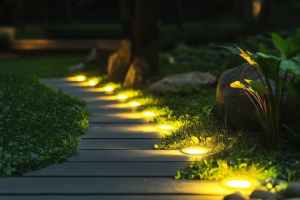
Safety is paramount, but pathway lighting can also be incredibly beautiful. Use small, low-profile resin lights to define the edges of walkways, steps, and entrances.
Low-Level Pathway Markers
These are typically small, stake-mounted lights that are barely visible during the day but emit a gentle glow to mark the path at night. They prevent stumbles and make navigating your garden feel safe and effortless.
Entrance Illumination
Ensure your entryway is welcoming. Consider a striking resin pendant light above your front door or wall-mounted fixtures on either side to greet guests.
Creating “Zones” of Light for Different Activities
Divide your backyard into distinct areas using light. This can make a large space feel more intimate and functional.
Ambiance for Lounging Areas
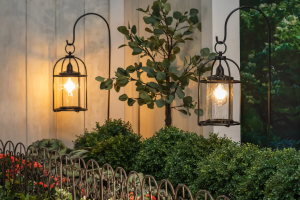
Use softer, diffused lighting in seating areas. String lights, lanterns, or strategically placed floor lamps can create a cozy gathering spot.
Functional Light for Dining
Ensure your outdoor dining area is adequately lit for comfortable eating and conversation. Pendant lights or adjustable spotlights can provide the right amount of light.
Integrating Technology: Solar and Smart Options
Modern resin lights often come with smart technologies that enhance convenience and efficiency.
The Convenience of Solar Power
Solar-powered resin lights are a game-changer for ease of installation and eco-friendliness. They harness the sun’s energy during the day and automatically turn on at dusk.
Hassle-Free Installation
No need to run electrical cables through your garden. Simply place them where they will receive ample sunlight.
Energy Efficiency and Cost Savings
You’re using free energy from the sun, which cuts down on your electricity bill. Plus, many solar lights are designed to be long-lasting.
Smart Lighting Features for Modern Living
Many resin lights now offer smart capabilities, allowing you to control them via an app, set schedules, and even change colors.
App Control and Customization
Adjust brightness, set timers, and even change light colors (if applicable) from your smartphone. This provides unparalleled control over your backyard ambiance.
Dimmable Options for Fine-Tuning
Being able to dim your lights allows you to perfectly adjust the mood for different occasions, from a lively gathering to a quiet evening under the stars.
Motion Sensors for Security and Convenience
Some smart resin lights include motion sensors, which can automatically turn on when movement is detected. This is great for security and also for illuminating pathways as you approach them.
Beyond Illumination: Resin Lights as Decorative Elements
Think of your outdoor lights not just as functional items, but as decorative pieces that contribute to your backyard’s overall aesthetic, even when they’re not on.
Sculptural and Artistic Forms
As mentioned before, many resin lights are designed to be striking sculptures in their own right. Their shapes and silhouettes can add visual interest to your garden during the day.
Daytime Appeal
A well-chosen resin light can act as a garden ornament, adding form and texture to flower beds or patios even when the sun is shining.
Conversation Starters
Unique and artfully designed resin lights can become talking points for guests, adding a touch of personality to your outdoor oasis.
Integrating Lights with Planting and Hardscaping
Think about how your lights will look in conjunction with your plants, patios, and other garden features.
Blending with Nature
Choose resin lights with naturalistic shapes and colors that complement your greenery. For example, faux stone lights can blend seamlessly into a rock garden.
Contrasting for Impact
Alternatively, you can use sleek, modern resin lights with bold colors or shapes to create a striking contrast against softer natural elements.
The “Off” Switch Appeal
Don’t underestimate the power of a light that looks good even when it’s not lit. A well-designed resin fixture can enhance your garden’s visual appeal throughout the entire day.
Common Pitfalls to Avoid
While resin lights offer many advantages, a few common mistakes can detract from their effectiveness.
Overlighting and Glare
Too much light can be just as bad as too little. It can create harsh shadows, make it difficult to see stars, and be generally uncomfortable. Aim for accent and functional lighting, not overwhelming brightness.
Ignoring Color Temperature
As mentioned, the wrong color temperature can completely ruin the ambiance. Stick to warm whites to ensure a welcoming glow.
Poor Placement of Solar Lights
Solar lights need direct sunlight to charge. Placing them in shaded areas will result in dim or non-existent light at night.
Forgetting Maintenance
While durable, resin lights aren’t completely maintenance-free. Dust and debris can accumulate, and solar panels can get dirty, obstructing light. Regular cleaning will keep them performing their best.
By thoughtfully selecting and strategically placing modern resin outdoor lights, you can effectively transform your backyard into a beautiful, inviting, and functional space that you’ll love to enjoy long after the sun goes down. It’s an accessible way to elevate your outdoor living experience, blending practical illumination with truly captivating design.