This article will explore the “Timeless Elegance: Art Deco Glass Chandelier,” a significant design element within the broader Art Deco movement. Understanding this specific chandelier style requires an appreciation for the historical context, key design principles, and their lasting influence on interior design and cultural aesthetics.
The Art Deco movement, a style of visual arts, architecture, and design that first appeared in France before World War I and flourished internationally in the 1920s, 1930s, and into the early 1940s, was a period of significant social and technological change. This era saw remarkable advancements in industry, transportation, and communication, all of which influenced the artistic sensibilities of the time. The Art Deco style was a rejection of the more flowing, organic forms of Art Nouveau, instead embracing modernity and the machine age.
The Rise of Modernity
The early 20th century was characterized by a push towards industrialization and a fascination with new technologies. Skyscrapers, ocean liners, and automobiles became symbols of progress and sophistication. This shift informed the design philosophy of Art Deco, which frequently incorporated streamlined forms, geometric patterns, and a sense of dynamic movement.
Exhibition of 1925
The Exposition Internationale des Arts Décoratifs et Industriels Modernes (International Exhibition of Modern Decorative and Industrial Arts) held in Paris in 1925, is widely considered the genesis of the Art Deco name and its full public unveiling. This event showcased the latest innovations in design, architecture, and decorative arts, firmly establishing the aesthetic principles that would define the era. Chandeliers Hozolighting, as prominent decorative and functional elements, played a significant role in defining the opulent and modern interiors displayed at the exhibition.
Defining Characteristics of Art Deco Chandelier Design
Art Deco glass chandeliers are characterized by a distinct set of design features that set them apart from earlier styles. These characteristics reflect the broader Art Deco aesthetic, emphasizing symmetry, geometry, and a sense of luxurious modernism.
Geometric Forms and Symmetry
One of the most striking features of these chandeliers is their reliance on geometric shapes. Circles, squares, rectangles, octagons, and stepped forms are frequently employed, often in repeating patterns. This deliberate use of geometry creates a sense of order, balance, and architectural precision, a stark contrast to the organic curves of Art Nouveau. The overall form often adheres to strict symmetry, particularly in grander pieces designed for prominent spaces.
Materiality: Glass as a Central Element
Glass is arguably the quintessential material for Art Deco chandeliers. The period saw advancements in glassmaking techniques, allowing for a diverse range of finishes and treatments. This includes:
- Frosted Glass: Often used to diffuse light, creating a softer, more ambient glow without harsh glare.
- Etched Glass: Geometric patterns, often stylized floral or abstract motifs, were etched into the glass surfaces, adding decorative detail.
- Molded Glass: Glass was molded into specific shapes, forming panels, shades, or decorative elements that contributed to the chandelier’s overall structure.
- Clear Glass: Used for its reflective qualities, amplifying the light and creating dazzling displays.
- Colored Glass: While less prevalent than clear or frosted varieties, subtle tints of amber, rose, or blue could be incorporated to add warmth or a specific mood.
These various glass treatments allowed designers to manipulate light in sophisticated ways, transforming the chandelier from a simple light source into a sculptural centerpiece. The interplay of light and shadow, refracted through the various glass components, becomes an integral part of the design.
Metalwork and Finishes
Beyond glass, metalwork plays a crucial supporting role. Nickel, chrome, polished brass, and occasionally bronze were common materials for frames, arms, and structural elements. These metals provided a sleek and lustrous counterpoint to the glass, reinforcing the modern aesthetic. Finishes were typically highly polished, reflecting the ambient light and contributing to the chandelier’s overall brilliance.
Streamlined Profiles and Stepped Designs
Art Deco chandeliers often exhibit a streamlined profile, avoiding excessive ornamentation. The focus is on clean lines and uncluttered forms. Stepped designs, reminiscent of ziggurats or early skyscrapers, are a recurrent motif. This “stepping” creates a sense of upward movement and grandeur, embodying the architectural ambitions of the era.
Iconic Art Deco Chandelier Styles
Within the broad category of Art Deco glass chandeliers, several distinctive styles emerged, each offering a unique interpretation of the core aesthetic. These styles, while sharing common principles, demonstrate the versatility and creative scope of designers during this period.
Waterfall Chandeliers
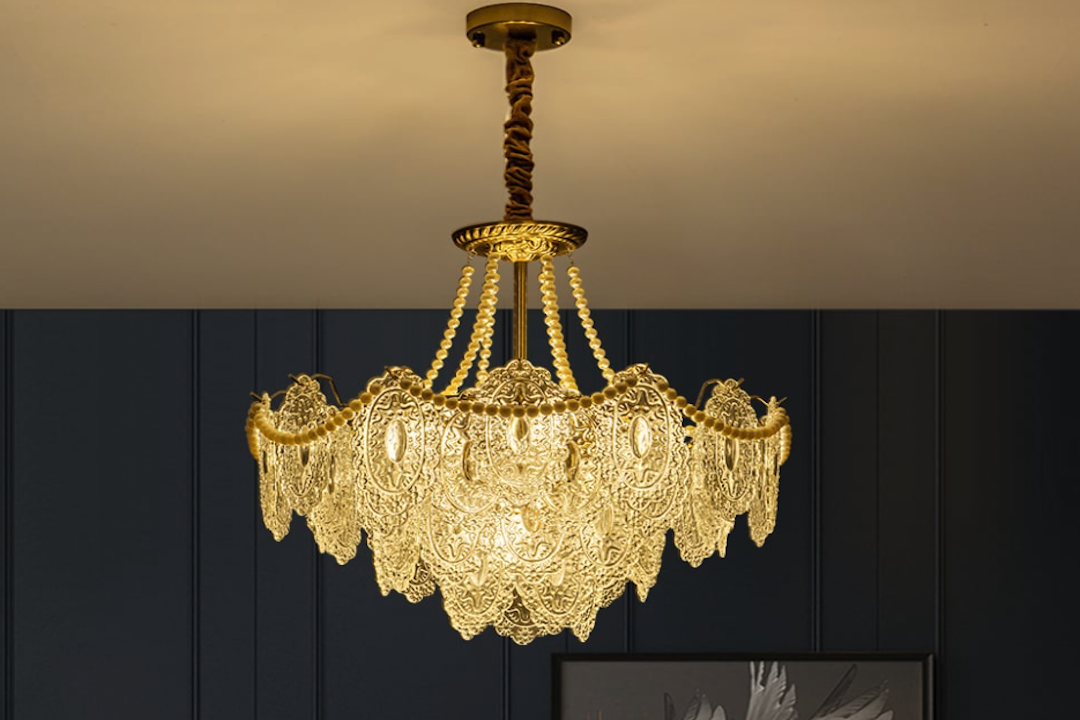
The “waterfall” or “cascade” chandelier is one of the most recognizable Art Deco forms. These chandeliers feature multiple tiers of glass elements, often individual rods, panels, or prisms, suspended from a central frame. The arrangement creates the impression of flowing water or a shimmering cascade of light. The effect is one of dramatic sparkle and opulence, making them ideal for grand foyers, ballrooms, and public spaces designed to impress.
Pendant and Bowl Chandeliers
More understated, but equally elegant, are Art Deco pendant and bowl chandeliers. These often feature a central glass bowl or shade, sometimes frosted or etched, suspended by metal rods or chains. The emphasis here is on integrated light diffusion and a more contained, sculptural form. These were popular for more intimate settings, offering sophisticated ambient lighting.
Geometric Cluster Chandeliers
These chandeliers take the geometric principle to its extreme, often comprising multiple individual glass shades or structured glass forms clustered together in a cohesive, often symmetrical, arrangement. Each element might be a frosted cube, a stepped pyramid, or a fluted cylinder, combining to create a complex yet harmonious composition. The effect is architectural and often monumental, reflecting the fascination with cityscapes and engineered structures.
Notable Designers and Manufacturers
The Art Deco era was home to a plethora of talented designers and manufacturers who contributed significantly to the chandelier aesthetic. Their innovations and craftsmanship helped solidify the style’s enduring appeal.
René Lalique
René Lalique (1860-1945), a French glass designer, is perhaps the most celebrated figure associated with Art Deco glass. Though initially known for his Art Nouveau jewelry, Lalique transitioned seamlessly into Art Deco, creating exquisite glass objects, including light fixtures. His chandeliers are characterized by their intricate molded and frosted glass, often depicting stylized natural motifs or abstract geometric patterns. Lalique’s work elevated glass from a mere material to a fine art.
Edgar Brandt
Edgar Brandt (1880-1960), a French ironworker, also produced significant lighting designs, frequently incorporating glass elements into his metalwork. His chandeliers often featured strong geometric frames crafted in wrought iron, sometimes with gilded accents, contrasting with frosted glass panels or shades. Brandt’s work exemplified the synthesis of craft and industry characteristic of the period.
Daum Frères
The Daum family, renowned French glassmakers, also produced exquisite Art Deco chandeliers. Their pieces often featured blown and acid-etched glass, contributing to a distinctive aesthetic that blended artistic craftsmanship with industrial innovation. Daum chandeliers are known for their quality and frequently feature subtle coloration or textured surfaces.
Enduring Legacy and Contemporary Relevance
The appeal of Art Deco glass chandeliers extends far beyond their original period of creation. They remain highly sought-after pieces in both antique markets and contemporary interior design, demonstrating a timeless quality that transcends transient trends.
Collectability and Investment
Original Art Deco glass chandeliers, particularly those by renowned designers like Lalique, are considered significant examples of decorative art and can command substantial prices at auction. Their rarity, craftsmanship, and historical significance contribute to their value. For collectors, they represent a tangible link to a pivotal moment in design history.
Influence on Modern Design
The fundamental principles of Art Deco – clean lines, geometric forms, and a celebration of luxurious materials – continue to influence contemporary design. Many modern lighting fixtures draw inspiration from Art Deco chandeliers, adapting the aesthetic for a contemporary context. The emphasis on integrated lighting, the interplay of materials, and the creation of striking visual focal points are all legacies of this influential style.
Integration into Contemporary Interiors
Art Deco glass chandeliers are remarkably versatile and can be successfully integrated into a wide range of interior styles. In a purely modern setting, a well-chosen Art Deco chandelier can act as a striking counterpoint, adding a touch of historical grandeur and sophisticated texture. In a more traditional or eclectic space, it can provide an anchor of elegance and a focal point for the room’s design.
Conclusion: A Metaphor for Enduring Style
The Art Deco glass chandelier stands as a testament to an era of innovation, glamour, and an unwavering belief in the power of design to elevate daily life. Like a carefully faceted jewel, its appeal lies in its multifaceted nature: a blend of precise geometry, the translucent beauty of glass, and the interplay of light and shadow. It is a design idiom that, despite its specific historical context, continues to resonate because it speaks to universal sensibilities – a desire for beauty, order, and a touch of understated luxury. It is not merely a lighting fixture; it is a sculptural statement, a historical artifact, and a beacon of enduring style, capable of illuminating not just a room, but also the enduring principles of good design.