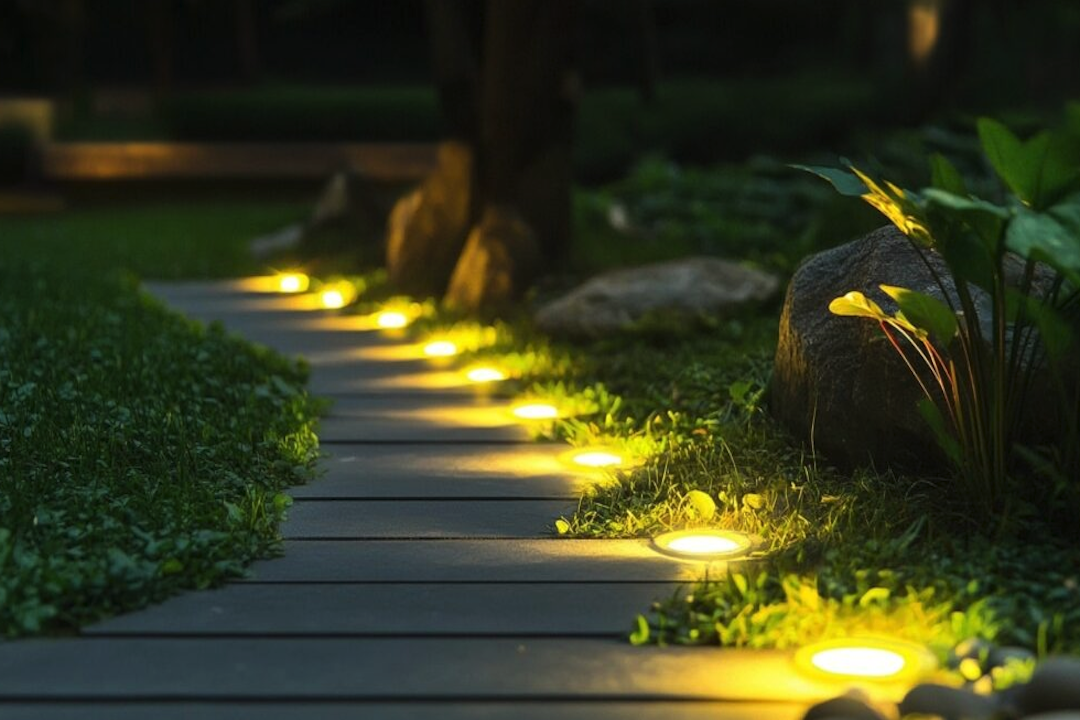
So, you’re looking to brighten up your garden and add some charm? Stone pathway garden lamps are a fantastic way to do just that, offering both beauty and a practical solution for navigating your outdoor space after dark. They seamlessly blend into your existing landscape, providing a soft, inviting glow that enhances your garden’s natural beauty without being overbearing. Think less glaring spotlight, more gentle moonlight guiding your way.
The Allure of Stone Pathway Lighting
There’s something inherently appealing about stone in a garden setting. It feels timeless, grounded, and harmonizes effortlessly with plants and other natural elements. When you combine this natural appeal with subtle lighting, you create an atmosphere that’s both magical and functional. It’s about crafting an experience, not just illuminating a path.
Why Go Natural?
“Natural” landscape lighting, in this context, really means lighting that feels organic and integrates well with your garden’s aesthetic. It’s not about making things look fake or overly done. Stone lamps Posnano, by their very nature, lean into this philosophy. They often use materials like actual stone, or composites designed to mimic it, which grounds them beautifully in a garden environment.
When it comes to outdoor lighting, you’ve got a lot of options. But stone pathway lamps stand out for some compelling reasons. They’re not just about aesthetics; they offer a blend of practicality and understated elegance that’s hard to beat.
Durability That Lasts
Let’s face it, your garden is exposed to the elements. Rain, sun, frost – you name it. Stone, being a natural material, is incredibly resilient. Many stone pathway lamps are made from genuine stone or high-quality composite materials designed to withstand harsh outdoor conditions. This means you’re investing in something that won’t just look good for a season but will continue to perform for years to come.
Weather Resistance
Good quality stone lamps are built to handle it all. Look for products with high IP (Ingress Protection) ratings, which indicate how well they’re protected against dust and water. This ensures your lamps continue to shine brightly, even after a torrential downpour.
Low Maintenance Appeal
Unlike some delicate garden decorations, stone lamps typically require very little upkeep. A quick wipe down now and then to remove dirt or debris is often all that’s needed to keep them looking their best. No rusting, no rotting, just enduring beauty.
Aesthetic Versatility
One of the great things about stone is its ability to complement a wide range of garden styles. Whether your garden is rustic, modern, minimalist, or an overflowing cottage garden, there’s a stone lamp that will fit right in.
Blending with Nature’s Palette
Stone comes in various colors and textures – from smooth river rocks to rough-hewn granite. This natural variation allows you to choose lamps that either match your existing stone features or introduce a new, complementary element. The earthy tones of stone seamlessly integrate with foliage, flowers, and soil.
Enhancing Garden Themes
Imagine a Japanese-inspired garden with sleek, polished stone lanterns, or a country garden featuring moss-covered, rustic stone lights. Stone lamps can truly elevate your garden’s theme, adding an authentic touch that plastic or metal alternatives might lack.
Functional Illumination
Beyond their good looks, these lamps are primarily about lighting your way. They provide a gentle, downward-facing glow that guides you along paths without creating harsh glares.
Safety and Navigation
Dark pathways can be tripping hazards. Stone pathway lamps illuminate your walkways, making it safer for you, your family, and your guests to navigate your garden after sunset. They help define the edges of paths and highlight any steps or obstacles.
Creating Ambiance
The light emitted by these lamps is typically soft and warm. It’s not about bright floodlighting; it’s about creating a welcoming and intimate atmosphere. This subtle illumination invites you to linger in your garden, enjoying its beauty even after dusk. Think of it as creating “moonlight” effect, but with a bit more direction.
Choosing the Right Stone Pathway Lamp for Your Garden
With so many options out there, picking the perfect stone pathway lamp can feel a bit overwhelming. But by considering a few key factors, you can narrow down your choices and find lamps that truly enhance your outdoor space.
Power Source Considerations
How will your lamps get their electricity? This is a crucial decision that impacts installation, maintenance, and energy efficiency.
Solar-Powered Convenience
Solar stone pathway lamps are incredibly popular for a reason: they’re easy to install and require no wiring. They absorb sunlight during the day and automatically light up at night. This makes them ideal for renters or homeowners who want a fuss-free lighting solution.
Pros of Solar:
- Eco-friendly: Uses renewable energy.
- No wiring: Simple installation, no electrical work needed.
- Cost-effective: No electricity bill increase.
- Flexible placement: Can be placed almost anywhere the sun shines.
Cons of Solar:
- Dependence on sunlight: Performance can vary on cloudy days or in shaded areas.
- Brightness may vary: Generally less bright than wired options.
- Battery replacement: Batteries will eventually need replacing, typically every 1-3 years.
Low-Voltage Wired Reliability
For a more consistent and brighter output, low-voltage wired stone lamps are an excellent choice. They connect to a main transformer, which is then plugged into an outdoor outlet. While they require a bit more effort to install, they offer reliable performance.
Pros of Low-Voltage:
- Consistent brightness: Reliable light output regardless of weather.
- Greater light output: Often brighter and more powerful than solar.
- Dimming options: Many systems allow for dimming or zone control.
- Long-lasting: Components are generally very durable.
Cons of Low-Voltage:
- Installation complexity: Requires trenching for wires and connecting to a transformer.
- Higher initial cost: Purchase and installation can be more expensive.
- Electricity usage: Contributes to your household electricity bill, though often minimal with LED.
Smart Features and Controls
Some modern stone pathway lamps, particularly low-voltage ones, can be integrated with smart home systems. This allows for scheduled lighting, remote control via an app, or even integration with motion sensors. Imagine your pathway lighting turning on automatically as you approach your home!
Design and Material Choices
The look and feel of your stone lamps should harmonize with your garden’s overall aesthetic and architecture.
Types of Stone
- Granite: Extremely durable, often with a speckled appearance, available in various colors like grey, black, and pink. Perfect for a robust, contemporary look.
- Sandstone: Softer, earthy tones, often with a textured appearance. Ideal for a natural, rustic, or garden-focused aesthetic.
- River Rock/Cobblestone: Smooth, rounded stones, perfect for a natural, organic look. Can be integrated into lamps for a very unique, custom feel.
- Slate: Flat, layered appearance, usually in dark grey, black, or even green tones. Offers a more modern, sophisticated touch.
- Composite Materials: Often designed to mimic natural stone at a potentially lower cost or lighter weight. Modern composites can be very convincing and durable.
Lamp Style and Shape
- Lantern Style: Traditional and classic, often with a small “roof” and soft glow. Great for a timeless garden.
- Path Lights/Bollards: Upright, often cylindrical or square-shaped fixtures that emit light downwards and outwards. Modern and minimalist.
- Integrated Stone Lights: Lights that are subtly set into a stone, becoming an almost invisible part of the landscape during the day. Very natural.
- Pillar/Column Lights: Larger, more substantial stone structures that house the light source, creating a focal point.
Light Source and Color Temperature
Most modern pathway lamps use LED (Light Emitting Diode) bulbs because of their energy efficiency and long lifespan.
- Warm White (2700K-3000K): Mimics the warm glow of incandescent bulbs, creating a cozy and inviting atmosphere. This is usually the preferred choice for natural landscape lighting.
- Cool White (3500K-4500K): Brighter, more neutral light. Can be good for tasks, but less common for ambient pathway lighting in a natural setting.
- Color-Changing (RGB): Some advanced LED lights offer the ability to change colors. While fun, typically not used for natural pathway illumination.
Installation and Placement Tips
Once you’ve chosen your lamps, proper installation and strategic placement are key to achieving the desired effect.
Planning Your Layout
Before you start digging or placing, take some time to plan. Walk your pathway at dusk and imagine where you’d want light.
- Staggering: Don’t just line them up like soldiers. Staggering lamps on alternating sides of the path creates a more natural and visually interesting flow.
- Spacing: A good rule of thumb is to space pathway lights 6-8 feet apart, though this can vary depending on the brightness of your chosen lamps and the width of your path. Too close and it looks cluttered; too far and you get dark spots.
- Highlighting Features: Use some lamps to subtly highlight beautiful shrubs, small trees, or garden features near your path.
- Avoiding Glare: Position lights so the light source isn’t directly visible when you’re walking. You want to see the effect of the light, not the bulb itself. Downward-facing lights are excellent for this.
Simple Installation for Solar Lamps
Solar lamps are usually a breeze to install.
- Unbox: Remove from packaging.
- Assemble (if needed): Some require attaching a stake to the base.
- Stake into ground: Push the stake firmly into the soil alongside your pathway.
- Ensure sunlight: Make sure the solar panel portion receives at least 6-8 hours of direct sunlight daily for optimal charging.
Low-Voltage Wiring Basics
While you might hire a professional, understanding the basics is helpful.
- Transformer: Connects to your outdoor electrical outlet and converts household voltage to a safe low voltage (usually 12V).
- Main Cable: Runs from the transformer along your pathway.
- Fixture Connections: Each lamp connects to the main cable using specialized connectors that pierce the cable’s insulation.
- Trenching: Wires are typically buried a few inches deep (check local codes) to keep them out of sight and protected.
- Testing: Always test the system before burying all the wires.
Safety First:
- Turn off power: Always ensure the power is off at the circuit breaker before working with any electrical components.
- GFCI outlet: Make sure your outdoor outlet is a GFCI (Ground Fault Circuit Interrupter) protected outlet for safety.
- Consult a professional: If you’re unsure about any step of the low-voltage installation, it’s always best to consult or hire a qualified electrician or landscape lighting professional.
Maintenance for Long-Lasting Beauty
While stone pathway lamps are generally low-maintenance, a little care goes a long way in ensuring they continue to perform and look great for years.
Regular Cleaning
Dust, dirt, pollen, and even moss can accumulate on your lamps, especially on solar panels.
Wiping Down Surfaces
- Solar Panels: Gently wipe solar panels with a damp cloth every few weeks or months. Any obstruction can reduce charging efficiency.
- Stone Surfaces: Use a soft brush or damp cloth to remove dirt or debris from the stone. For more stubborn grime, a mild soap solution and a soft brush can be used, then rinsed thoroughly. Avoid harsh chemicals that could stain or damage the stone.
Battery and Bulb Care
While LEDs are long-lasting, batteries in solar lamps have a finite lifespan.
Solar Battery Replacement
- Listen to your lamps: If your solar lamps aren’t staying lit as long as they used to, or they’re noticeably dimmer, it’s likely time to replace the rechargeable batteries.
- Check type: Most solar garden lights use standard AA or AAA NiMH (Nickel-Metal Hydride) rechargeable batteries. Always replace with the same type and voltage.
- Simple swap: Usually, there’s a small compartment on the underside of the solar panel or lamp body that gives you access to the battery.
LED Longevity
LED bulbs are designed to last tens of thousands of hours, so you likely won’t need to replace them often. However, if a fixture stops working, troubleshooting steps (checking connections for wired systems, battery for solar) often solve the issue.
Addressing Environmental Factors
Your garden is alive, and sometimes nature needs a little managing around your lights.
Keeping Vegetation Clear
- Trim around lights: Ensure that plants, grasses, or overhanging branches aren’t obscuring the light output or, for solar lights, blocking the solar panel’s access to sunlight.
- Avoid overgrowth engulfing fixtures: Over time, plants can grow to completely encase smaller pathway lights. Keep an eye out and prune as needed.
Winterizing (If Applicable)
In regions with harsh winters, consider bringing in solar lights. While many are weather-resistant, extreme cold can impact battery life and durability. For wired systems, ensure all connections are watertight and protected from freeze-thaw cycles.
Bringing It All Together: Your Enhanced Garden
Stone pathway garden lamps are more than just lights; they are an integral part of your garden’s design, enhancing its beauty both day and night. They offer a blend of natural aesthetics, robust durability, and practical illumination that few other lighting solutions can match. By carefully choosing the right style, power source, and planning your installation thoughtfully, you can transform your garden into a safer, more inviting, and utterly charming outdoor sanctuary. It’s about creating those gentle glows that invite you for a quiet evening stroll, or safely guide your guests to your door, all while blending seamlessly with the natural beauty you’ve cultivated.